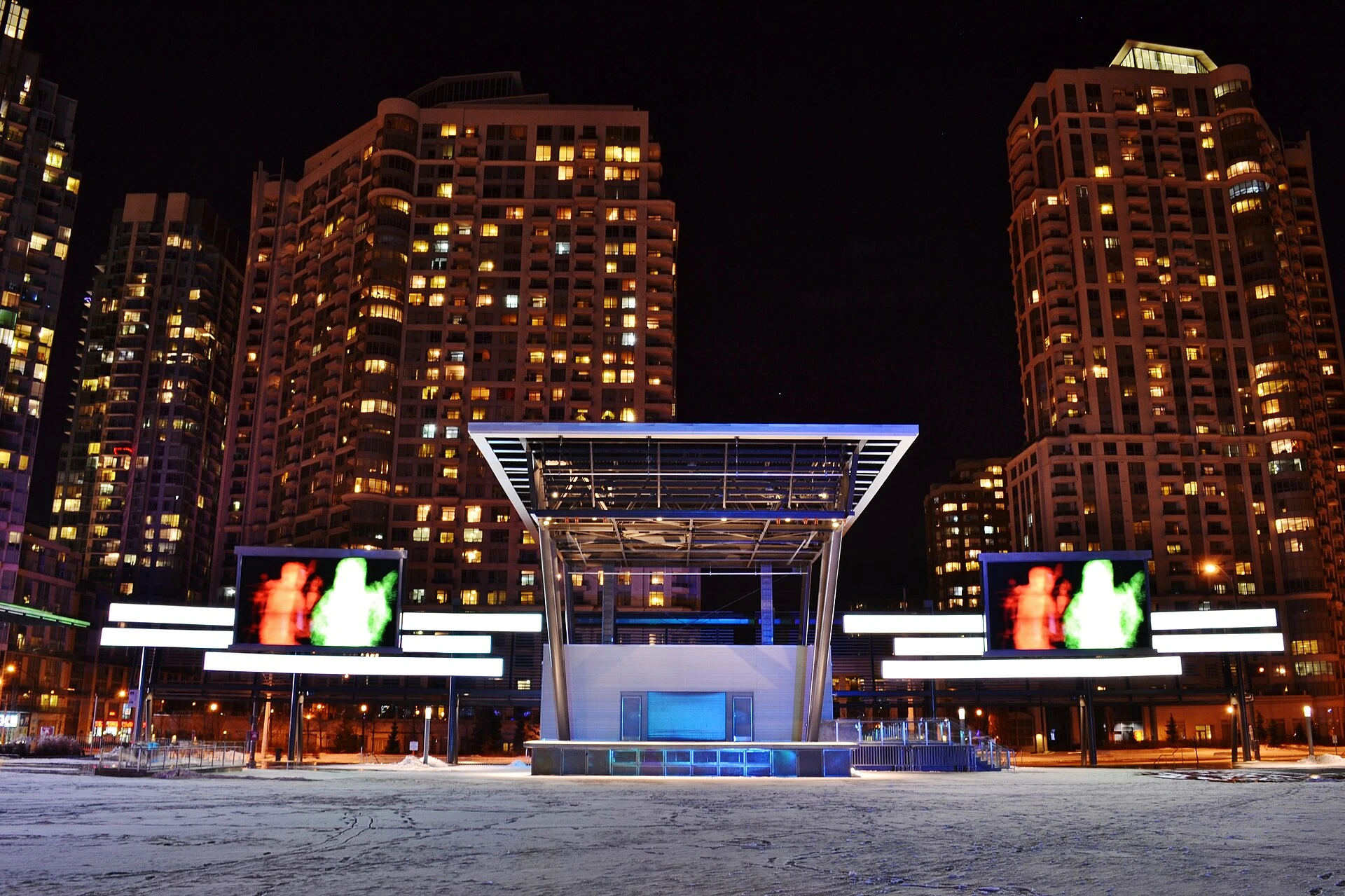

Mississauga's winter maintenance crews are on standby around the clock this season, ready to clear roads, sidewalks, bus stops and bike routes as snow and ice arrive.
The City's winter operations team is available 24/7 when weather hits, using everything from salt brine to sidewalk plows, according to a City of Mississauga news release.
Clearing priorities and timelines
Crews respond to the most pressing needs first: major roads, high-use sidewalks, transit routes, bus stops, emergency routes and pedestrian crossings. The City says this keeps critical routes open and helps emergency vehicles move safely. Sidewalks in front of homes are cleared after the snowfall stops.
Major roads, bus stops and priority sidewalks are cleared within 12 to 24 hours after a snowfall ends. Residential roads and sidewalks take 24 to 36 hours. Major storms and back-to-back weather events may take longer.
New parking restriction rules
The City may declare a Citywide Winter Parking Restriction to help crews work safely. When one is in effect, parking on city streets is not allowed and temporary and residential paid parking permits are suspended.
Beginning this winter, in 2026-2027, the restriction also applies to vehicles in 15-hour parking exemption zones. Vehicles left on the road can face a $150 fine and may be towed.
Cars parked on the street can block plows from properly clearing roads and driveway windrows, making it harder for emergency vehicles, buses and pedestrians to get around.
Less salt on the roads
Mississauga is expanding its Low Road Salt Strategy, which aims to limit the effects of road salt on waterways, plants and infrastructure while keeping surfaces safe. The City already uses anti-icing brine, treated salt, proactive plowing and advanced weather monitoring.
In 2026, anti-icing brine will be applied to 20 per cent more roads, which is expected to reduce salt use by up to 650 tonnes a year. The City will also start plowing earlier on select major roads, which could cut salt use by 3,450 tonnes annually. Together, the measures are expected to reduce road salt use by up to 4,100 tonnes a year.
The anti-icing program currently covers roughly 1,260 lane kilometres of roadway, using about 63,000 litres of brine per application. The expansion adds about 250 lane kilometres.
Windrow clearing continues
Residential driveway windrow clearing will continue across the city this winter. A windrow is the pile of snow left at the end of a driveway after roads are plowed. The City clears a minimum three-metre opening in eligible windrows after a street's final round of plowing, and residents do not need to register.
Last winter, crews cleared about 134,000 residential windrows. The City is asking residents to move vehicles off the street during parking restrictions, avoid parking at the end of driveways before windrow clearing begins, and leave at least three metres of space at the driveway end.
Residents can track snow-clearing operations and learn about parking restrictions at mississauga.ca/snow or by calling 311.
Our teams are prepared to respond around the clock to deliver winter maintenance operations across the city. From roads and sidewalks to bus stops, trails, bike lanes and residential driveway windrows, we are focused on delivering timely and reliable service while helping residents travel safely and confidently during winter weather.