A city advisory committee is organizing celebrations marking 200 years since the founding of Bytown — the settlement that became Ottawa — along with the start of Rideau Canal construction and the birth of the ByWard Market.
The 200th Anniversary Celebration Advisory Committee, a 25-member body co-chaired by Mayor Mark Sutcliffe and ByWard Market business owner Stefanie Siska, has identified four “pillars” to guide the commemorations, Ottawa Citizen reported: Proud History & Local Heritage, Cultural Experiences, Partnerships & Community, and Legacy Projects.
Siska chairs Ottawa Tourism and co-owns C'est Bon Ottawa, a Dalhousie Street cooking school and food tour business.
The anniversary traces back to Sept. 26, 1826, when British military engineer Lieut.-Col. John By met at the future site of Ottawa with Lord Dalhousie, governor general of British North America, to confirm the route of a canal meant to defend Canada against a possible American invasion after the War of 1812.
On the same day, Dalhousie instructed By to plan a town site on government lands near the canal's Ottawa River terminus. The town was named Bytown after the canal's chief builder, and the ByWard Market was born the following year.
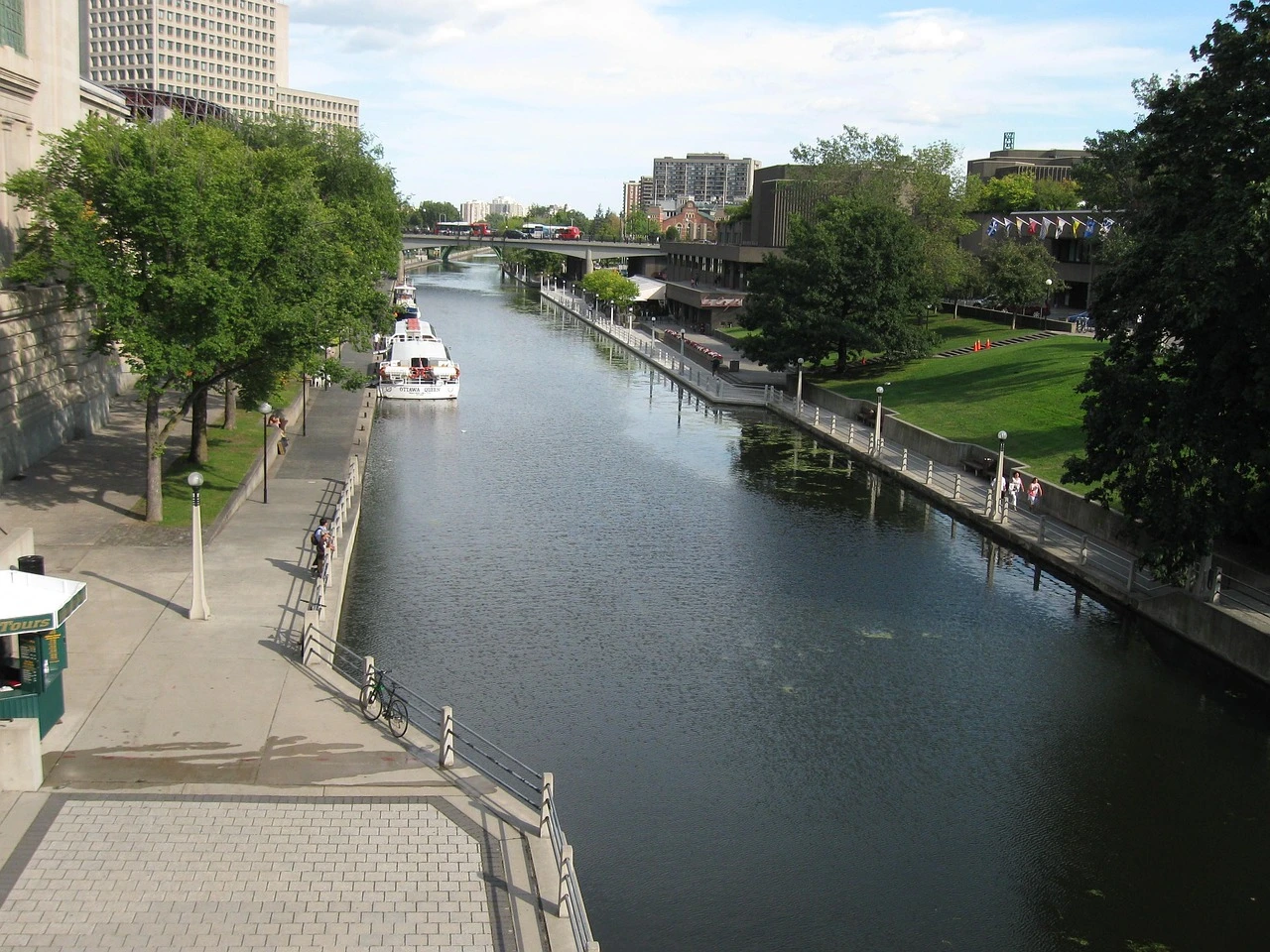
The canal, built between 1826 and 1832 and now recognized as a UNESCO World Heritage Site, remains one of the city's defining landmarks. The Bytown Museum occupies the only surviving building from the canal-building era.
Budget and organization
The city has allocated $200,000 a year for anniversary spending from 2024 to 2027, drawn from the municipal accommodation tax charged on hotel rooms and short-term rentals, according to a staff report submitted to council following an inquiry from College Ward Coun. Laine Johnson.
A dedicated city staff position has been created to co-ordinate the bicentennial activities, running from 2025 to 2027.
Ottawa Tourism, described in the staff report as the city's principal partner in the bicentennial programming, will control the anniversary funding in consultation with city staff. Four of the 25 committee members, including Siska, come from the city-funded organization.
Beyond Sutcliffe, the city is represented by Rideau-Vanier Coun. Stéphanie Plante and two senior staffers. The committee also includes Luc Fournier, chief of staff and commission secretary at the National Capital Commission, and Lowertown Community Association president Sylvie Bigras.
The committee's makeup leans heavily toward the business community, with six Business Improvement Area officials, two hotel and restaurant industry representatives and the head of the Ottawa-Gatineau francophone business association. Most other members come from arts and culture organizations, including the Ottawa Art Gallery, the Ottawa Music Industry Coalition and the Ottawa Festival Network.
Kelly Eyamie, executive director of the Bytown Museum, is the only history-focused member. Artist Mairi Brascoupé of Kitigan Zibi Anishinabeg First Nation, who also sits on Ottawa Tourism's Indigenous Tourism Advisory Circle, appears to be the sole Indigenous voice on the committee.
Indigenous peoples have lived around the confluence of the Ottawa, Rideau and Gatineau rivers for thousands of years, and the bicentennial period of colonial settlement sits within the vast unceded territory of Algonquin Anishinaabe peoples.
Ottawa marked its centenary in August 1926 with a week-long celebration that included a Rideau Canal regatta, a military parade that drew 50,000 onlookers, a Lansdowne Park rodeo and a historical pageant.
The village of Richmond, now part of Ottawa, celebrated its own bicentennial in 2018. It was founded in 1818, eight years before Bytown, as a settlement for War of 1812 soldiers.