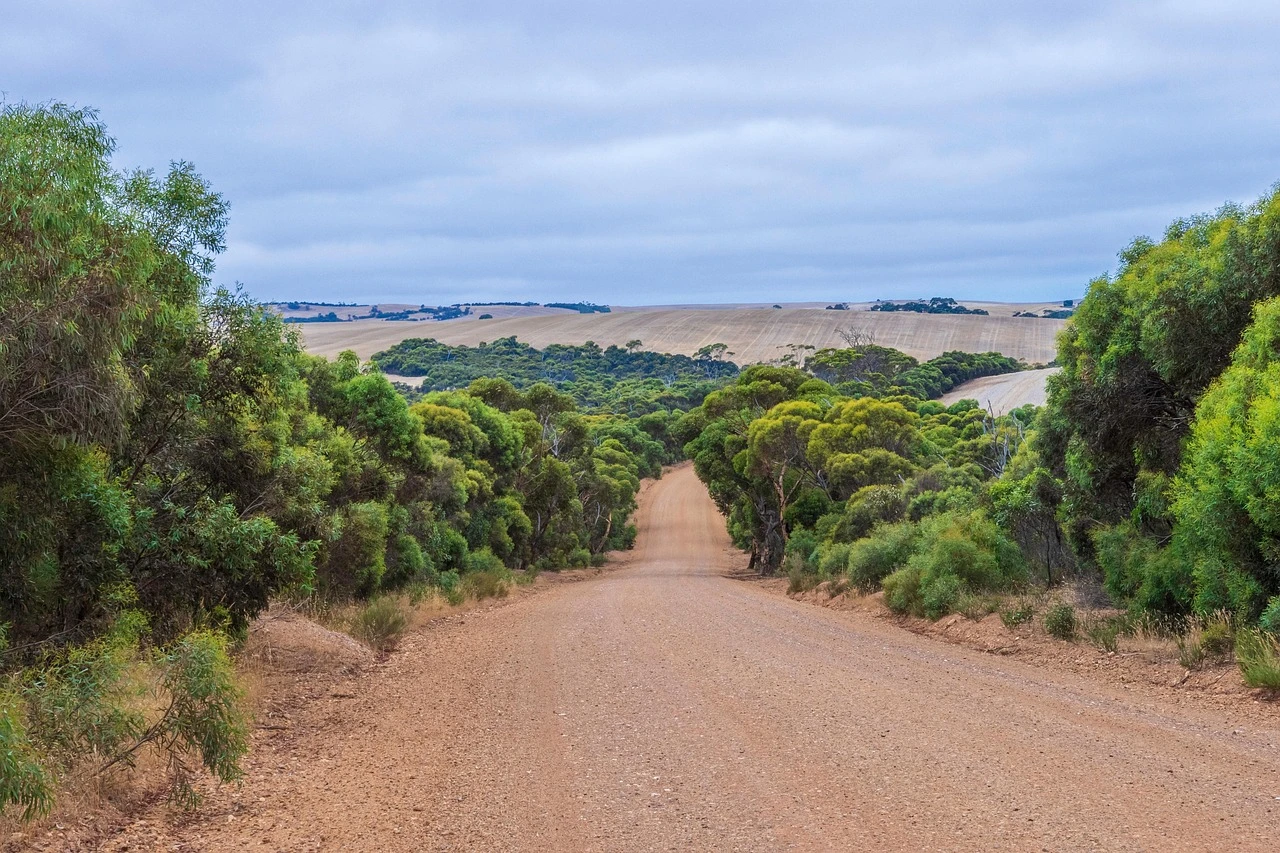
The proposed Highway 413 corridor would cut through farmland in Caledon, and two years after the Ford government fast-tracked the project, opponents say the fight has only widened.
Bill 212, the Reducing Gridlock, Saving You Time Act, was pushed through the legislature on November 25, 2024, clearing the way for construction of the highway. According to The Pointer, the bill was passed without Indigenous consultations or environmental assessments.
Critics argue the proposed route is not a major commuter corridor but rather a corridor through prime real estate, where developers holding land nearby stand to gain hundreds of millions of dollars. Transportation experts and urban planners cited by The Pointer warn that new highways worsen congestion through induced demand, because more roads encourage more driving.
The Greenbelt land-swap scandal, which is under criminal investigation by the RCMP, saw PC staffers act on developers' instructions to open Greenbelt lands to residential development, according to The Pointer.
Caledon's opposition
The highway has drawn sustained pushback in Caledon. Residents have walked along the proposed route through town to protest a plan they say will destroy valuable farmland.
Caledon council also weighed in, approving a motion put forward by Councillor Doug Maskell on November 12, 2024, that opposed the province's strategy for Highway 413.
A broader legislative wave
Opponents describe Bill 212 as the start of a broader agenda. Mike Marcolongo, associate director of Environmental Defence, called the law a "precursor" to Bill 5, passed June 5, 2025, and Bill 60, the Fighting Delays, Building Faster Act, passed November 24, 2025.
"Bill 212's just the tip of the iceberg for what's happened since," he told The Pointer.
Bill 212 amended the Highway Traffic Act to prevent cities from installing bike lanes where vehicle lanes would be reallocated, and opened the door to removing existing bike lanes. An amendment added by Transportation Minister Prabmeet Singh Sarkaria directed the removal of 19 kilometres of bike lanes on major Toronto corridors.
That provision drew a legal challenge. On July 30, 2025, the Ontario Superior Court ruled the government's actions unconstitutional. Justice Paul Schabas found that government decisions which knowingly increase the risk of harm to vulnerable road users violate Section 7 of the Charter, and that the government cannot deliberately make streets more dangerous when the measures will not reduce congestion.
Cycle Toronto Executive Director Michael Longfield called the decision "a full win."
"We won on the facts and on the law. The court accepted our argument that the government's actions increased the risk of harm to Ontarians," Longfield said.
Bill 60 went further, restricting municipalities from removing car lanes to add bike lanes and prohibiting dedicated bus rapid transit lanes on existing residential streets. Under the new Water and Wastewater Public Corporations Act, the Minister of Municipal Affairs and Housing can appoint corporations to take over water and sewage services for certain lower-tier municipalities.
"These changes appear to be another example of Premier Ford's privatization agenda—prioritizing corporate interests over essential public services. Water is a human right. We can't sit back and allow this government to make it a commodity," Environmental Defence Water Program Manager Rebecca Kolarich said.
Environmental Defence's Ontario Environment Program Manager Phil Pothen said in a statement that banning surface bus lanes would jeopardize hundreds of thousands of recently pre-approved mid-rise and four-plex apartments, which he called the only realistic path to ending Ontario's housing shortage.
"By jeopardizing plans for bus rapid transit and zero-parking homes within existing suburbs, Bill 60's amendments to the Highway Traffic Act and Planning Act would also swamp any gains from a promised- and long overdue- review of the Ontario Building Code," he said.
Longfield argued the government is "doubling down on a bad-faith culture war that will only make congestion worse while putting people's lives at risk."
"For folks frustrated driving in our cities, Doug Ford knows you're not stuck in traffic because of bike lanes. Where is the same focus and intensity from the province on real solutions like opening the endlessly delayed Eglinton Crosstown LRT?" he said.
The province has said the amendments are expected to fight gridlock, which it estimates costs the economy $11 billion annually. But documents from Ontario's Ministry of Transportation reflect concern that Bill 212 "may not reduce congestion," since bike lanes historically ease traffic by encouraging cycling over driving.
For Assunta Marcolongo, a 79-year-old member of the grassroots group STOP the 413 NOW who has rallied against the highway, the stakes are personal. Asked why she keeps showing up, she said: "It is for my grandchildren."
"I can't see why we have to destroy the Greenbelt when there are thousands of acres within [the] metropolitan area of Toronto, which are empty or brownfields," she told The Pointer.