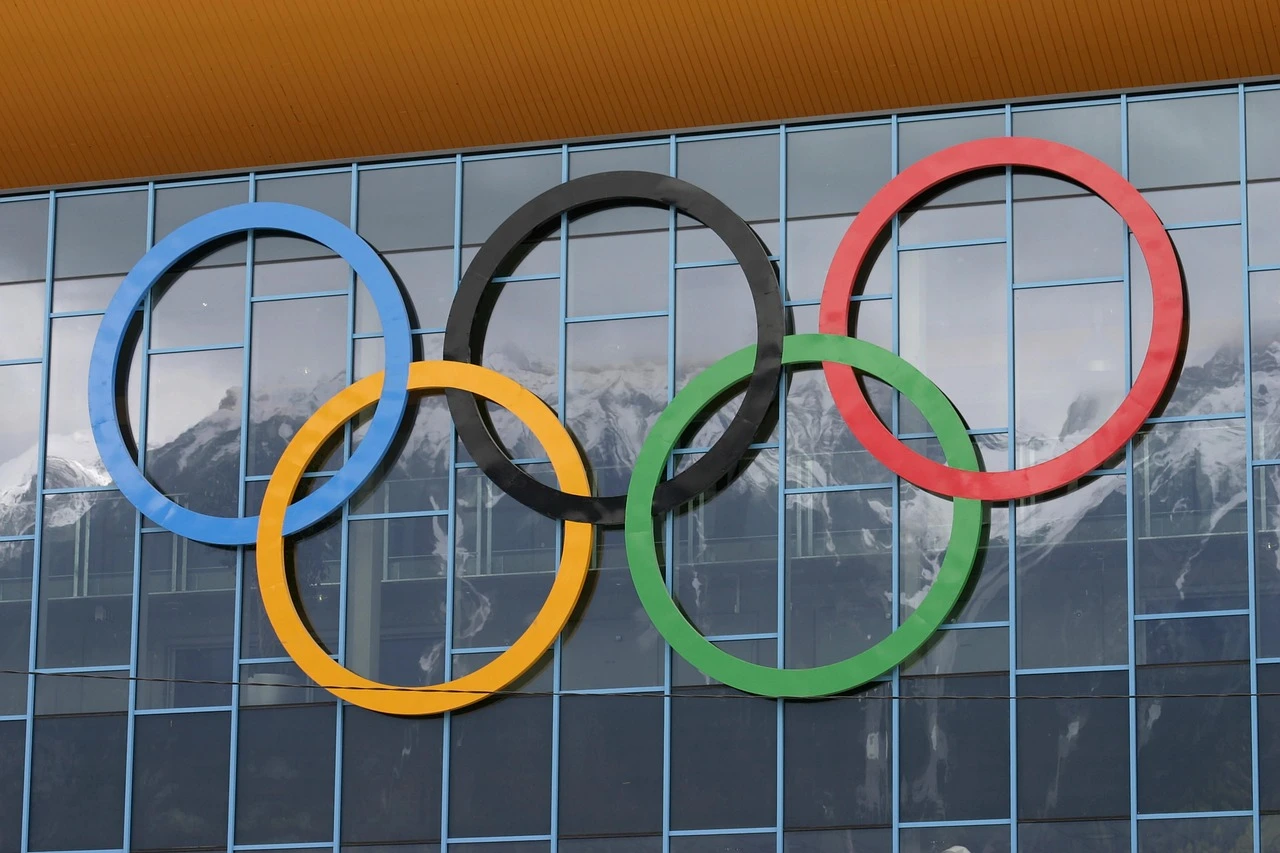
Canada joined the United States, the United Kingdom and Australia in a diplomatic boycott of the Beijing Winter Olympics, Prime Minister Justin Trudeau announced on Dec. 8, 2021, citing human rights concerns.
The Prime Minister said his government had been in talks with allies about the move in recent months, The Asahi Shimbun reported.
We are extremely concerned by the repeated human rights violations by the Chinese government. They should not be surprised we will not be sending any diplomatic representation.
Trudeau's announcement came after the White House, the Australian government and the U.K. government confirmed they would not send official delegations to the February Games. China responded by vowing what it called firm countermeasures.
The boycotts do not prevent athletes from Canada, the U.S., Britain or Australia from competing in Beijing.
Rights groups had pushed for a full boycott of the Games, pointing to China's treatment of its Uyghur minority in Xinjiang province — abuses some observers have characterized as genocide — as well as Beijing's suppression of democratic protests in Hong Kong and a crackdown on dissent in the territory.
The Olympics should not be held in a country that commits genocide.
Dolkun Isa, president of the World Uyghur Congress, told The Associated Press that his organization's position was to stop the Beijing Olympics, but that the IOC was determined to proceed. He said Canada and other democratic countries fulfilled their minimum obligations by staging a diplomatic boycott.
The move underscored how badly relations between Canada and China had deteriorated. China arrested two Canadians in December 2018, shortly after Canada detained Meng Wanzhou, Huawei's chief financial officer and the daughter of the company's founder, on a U.S. extradition request. Many countries described China's actions as hostage politics, while China called the charges against Meng politically motivated.
The three countries completed a high-stakes prisoner swap earlier in 2021, but the episodes badly damaged the Chinese government's standing in Canada.
Concerns around arbitrary detention are real and shared by many countries around the world.
Foreign Minister Mélanie Joly said more countries should take similar action.
It is important to send a strong signal to China. Human rights violations are not acceptable.
The White House confirmed its diplomatic boycott on the Monday before the Canadian announcement, and Australia followed suit the same day as Canada, with Prime Minister Scott Morrison saying the decision was in Australia's national interest.