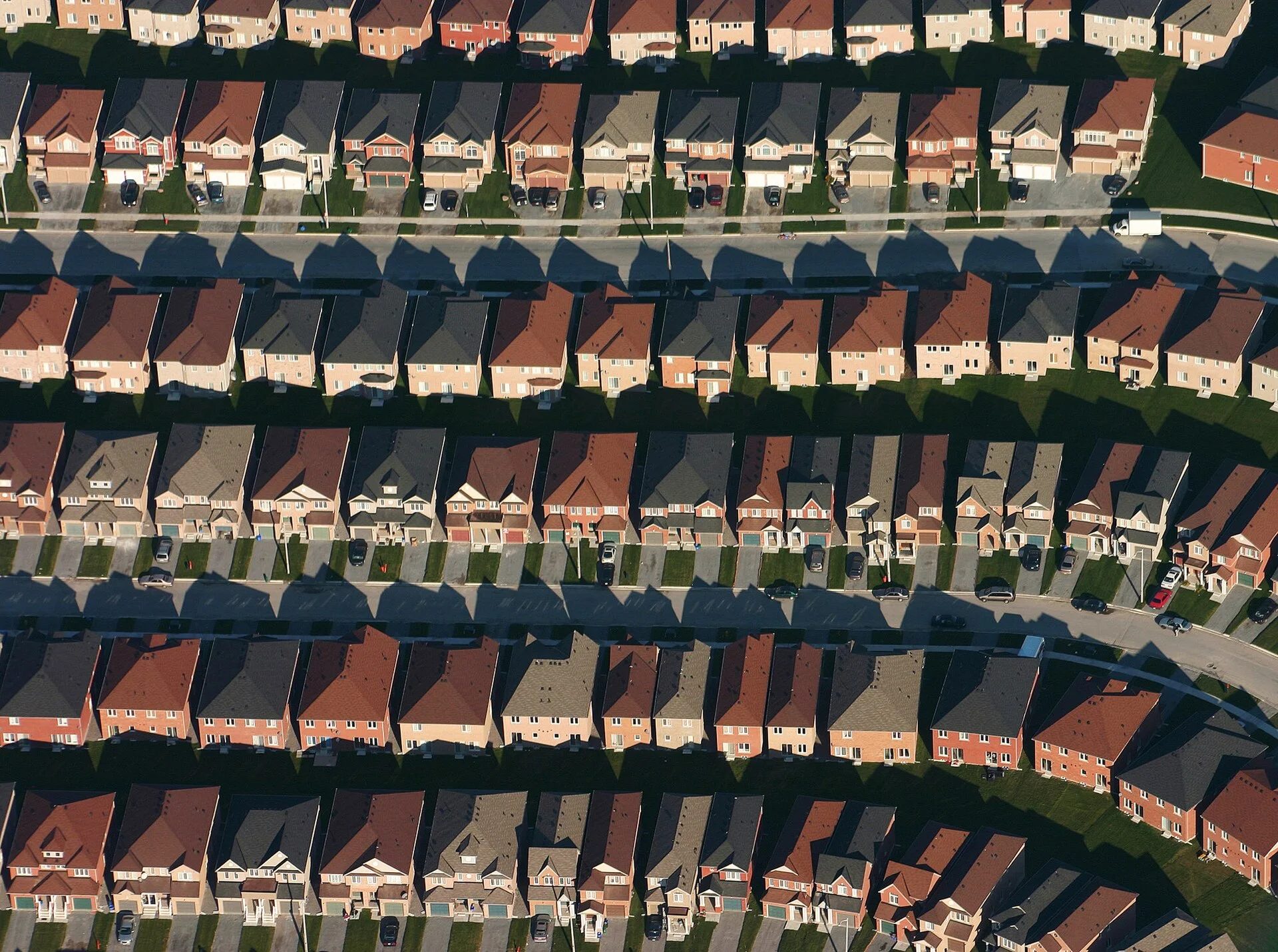
A divided Markham council on Wednesday approved planning changes that would let homeowners build up to four residential units on lots that now hold a single detached house, semi-detached house or townhouse, with Mayor Frank Scarpitti on the losing side of the vote.
The official plan amendment and zoning by-law, known at city hall as Housing Accelerator Fund Initiative 2, each passed by a recorded vote of 6-5 at the Feb. 25 council meeting.
How councillors voted
Deputy Mayor Michael Chan, Regional Councillor Alan Ho and councillors Andrew Keyes, Isa Lee, Keith Irish and Reid McAlpine voted in favour of the two by-laws. Scarpitti, Regional Councillor Jim Jones and councillors Amanda Collucci, Ritch Lau and Nimisha Patel voted against.
Earlier in the meeting, council had split 7-6 on receiving the staff report and the committee recommendation behind it. Regional Councillor Joe Li joined the yes side on that vote and Councillor Karen Rea joined the no side. Neither is listed in the recorded vote on the by-laws themselves.
What the change does
Planning staff first brought the proposal to the development services committee on Oct. 14, 2025. According to the committee minutes, planning director Giulio Cescato said the amendments would permit up to four residential units on properties with a single detached, semi-detached or townhouse dwelling, and tied the work to the federal housing agency's approval of Markham's Housing Accelerator Fund action plan.
The Housing Accelerator Fund is a federal program run by Canada Mortgage and Housing Corporation that pays municipalities to speed up housing approvals. Markham's plan includes several initiatives; the one passed Wednesday also includes an incentive program for additional units, and the approved amendments are to be forwarded to the corporation.
At that October committee meeting, members raised concerns that came up in a city survey about overcrowding, parking, traffic and infrastructure. They also discussed whether the changes would mainly open opportunities for investors, whether federal funding was tied to them, and whether the extra units should be focused along transit routes. One resident who spoke to the committee raised concerns about people living in illegal housing and urged the city to support current residents, not rush the process, and create legal and safe housing.
Months of delay
A public meeting on the proposal followed on Oct. 21. Council then put off a decision on Oct. 28, and on Nov. 25 voted to defer it again. The item returned to the council agenda this week, more than four months after committee first endorsed it.
The vote came at a meeting where council also enacted separate Housing Accelerator Fund rules for inclusionary zoning near major transit stations, which require a share of affordable units in some new developments.
Markham voters go to the polls in the municipal election on Oct. 26.