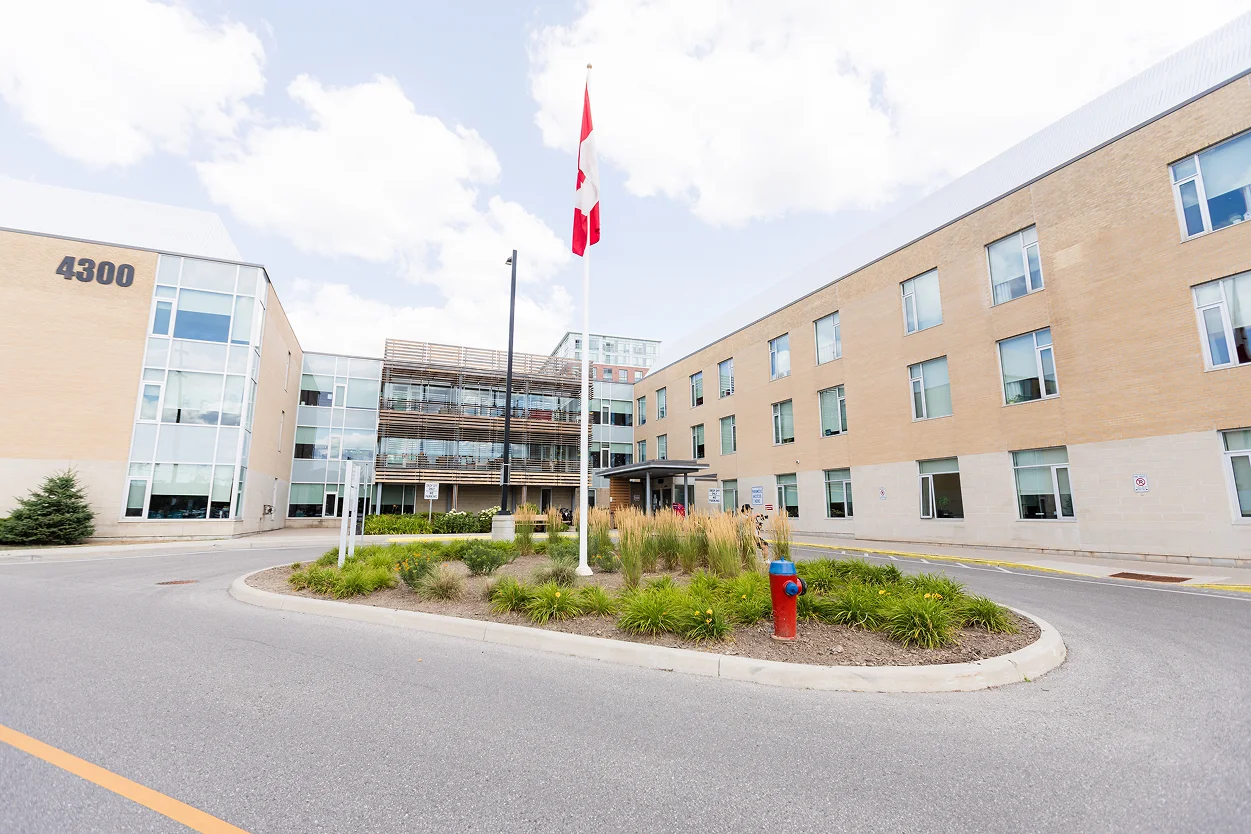
Union Villa, a long-term care home in Unionville, has been chosen for the first year of a new provincial program meant to change how homes care for residents living with dementia.
The Ontario government named the first 17 participating homes on Feb. 24. Union Villa is the only home in York Region on the list, and one of four in the province's Central Region, alongside homes in Mississauga, Barrie and Bolton.
What the program pays for
The Improving Dementia Care Program, which the province launched in September 2025, is backed by $9 million over three years. It helps homes adopt what the government calls emotion-based models of care and trains staff to use them. The aim is to put residents' interests and feelings at the centre of daily life and to build closer ties between staff, residents and families.
Each home works with one of several approved models. Union Villa will use BSO 5STaR, a model developed by Behavioural Supports Ontario. According to the province's backgrounder, it focuses on strengthening the skills of care providers and on creating familiar, adaptable spaces that reduce distress and help residents use the abilities they still have.
Other homes on the list will use models such as Butterfly, which reshapes units into small, home-like neighbourhoods, and the Eden Alternative, which targets loneliness and boredom in institutional settings.
Our government is investing in dementia care and supports to improve the well-being of long-term care residents, their caregivers and families.
— Natalia Kusendova-Bashta, Minister of Long-Term Care
Why it matters
The province says more than 60 per cent of people living in Ontario's long-term care homes have a dementia diagnosis, and it expects the number of Ontarians with dementia to triple by 2050. Homes in the first year were assessed by Ontario Health on need, readiness and their capacity to run the program.
The government said it plans to fund nearly 50 homes through the program by 2027-28, so more homes could join in later rounds.
The same announcement added up to 153 beds in behavioural specialized units, which care for residents with the most complex responsive behaviours. Those beds are going to five homes in Thessalon, Ottawa, North Bay, Milton and Toronto. None is in York Region.
The Alzheimer Society of Ontario welcomed the funding. Its chief executive, Cathy Barrick, said in the provincial release that the society congratulates the 17 homes and looks forward to working with them on person-centred dementia care.