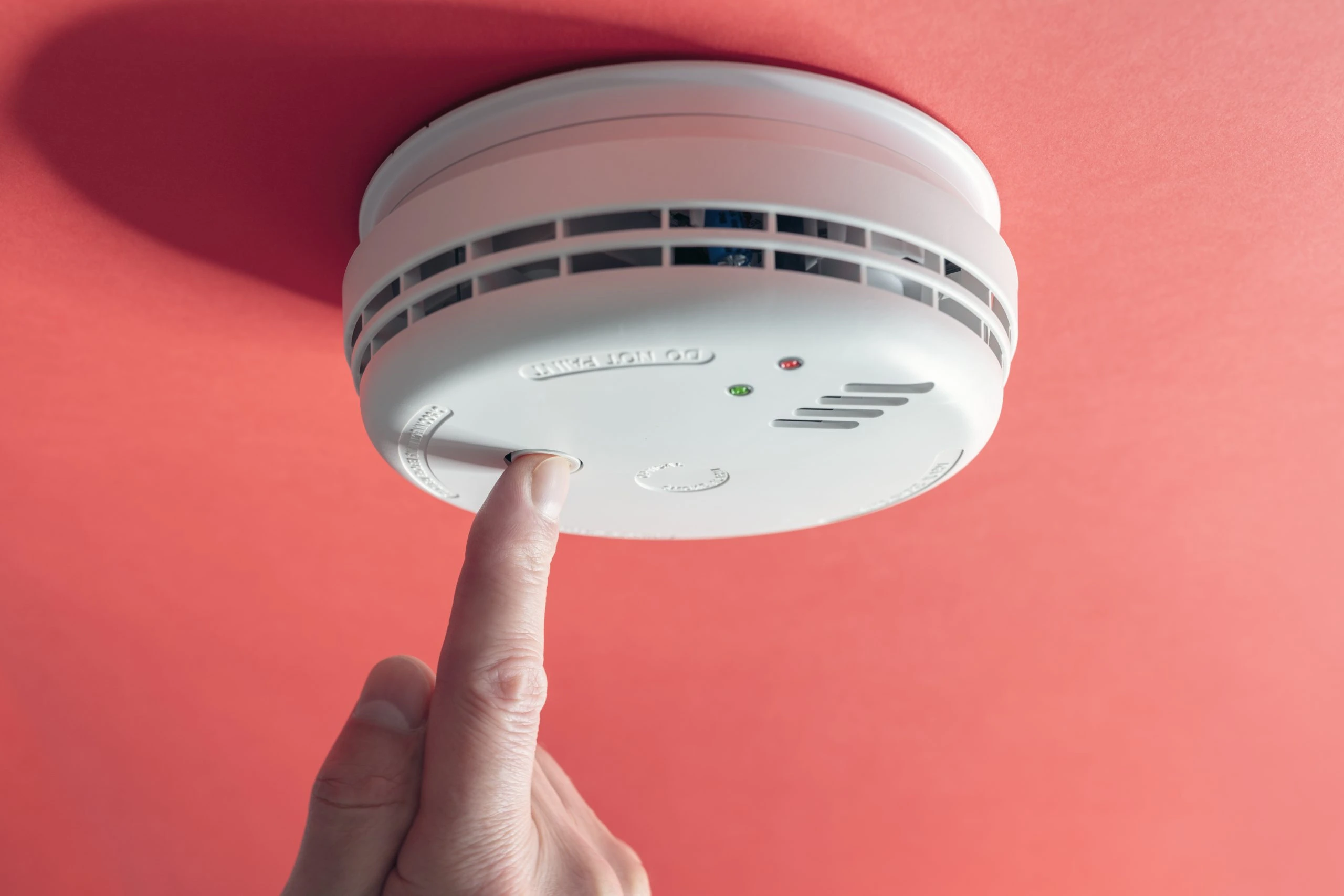
Carbon Monoxide Awareness Week runs November 1 to 7, and Mississauga Fire and Emergency Services is asking residents to test their alarms as the heating season gets underway.
Firefighters in the city responded to 495 calls where carbon monoxide was present in a home in 2025, up from 450 the year before, according to a City of Mississauga news release.
Often called the "silent killer," carbon monoxide is a poisonous gas that can't be seen, smelled or tasted. It's produced when fuels such as natural gas, propane, gasoline, oil and wood don't burn completely. Common sources in homes include fuel-burning appliances, fireplaces and vehicles running in attached garages.
New provincial requirements took effect this year
CO alarms aren't just a recommendation — as of January 1, 2026, amendments to the Ontario Fire Code require them on every floor of homes that have fuel-burning appliances, fireplaces or attached garages. The requirements also apply to many apartment and condominium units.
Property owners and landlords are responsible for installing and maintaining the required alarms. The city says residents can help by making sure alarms in their units are working and reporting problems when they come up. Failure to comply with the alarm requirements can bring fines and penalties.
Beyond meeting the legal minimum, working alarms give residents an early warning that lets them leave the home and call for help before dangerous levels cause harm.
Symptoms can be easy to miss
One of the challenges with carbon monoxide is that exposure can be hard to recognize. Symptoms are often mistaken for the flu, food poisoning or general tiredness, and they can develop gradually and without warning.
The danger is greater while people are sleeping, since they may not notice symptoms or realize they're being exposed. The city notes that if several people in a household get sick at the same time, or if symptoms ease when they leave home and return when they come back, CO could be the cause.
Carbon monoxide continues to cause deaths and hospitalizations in Ontario each year and remains one of the leading causes of accidental poisoning deaths in North America. The city stresses that CO poisoning is preventable when residents take simple steps to protect themselves and their families.
What to do if an alarm sounds
Anyone who suspects carbon monoxide exposure should get everyone outside immediately and call 911 from a safe location, even if no alarm has sounded. Medical attention should be sought right away if anyone has symptoms.
Fire officials say a CO alarm should never be ignored, because unlike a smoke alarm, it may be warning of a danger residents can't see, smell or taste.
Residents who want to learn more can attend a public information session and speak with an MFES public education officer; no registration is required. Safety tips and alarm requirements are also available at mississauga.ca/fire.
This week, the city is asking residents to test their alarms, review the warning signs and make sure everyone at home knows what to do if one goes off.