
Markham residents ordering meals from delivery-only kitchens can check their food safety records through York Region, where public health officials say these businesses are inspected under the same requirements as traditional restaurants.
AuroraToday reported that York Region’s health protection manager, Dorianna Simone, said ghost kitchens are treated as food premises regardless of whether they have a dining room or sell meals exclusively through delivery apps.
The region publishes food inspection results on its food safety website for up to two years, along with substantiated complaints. Simone said the belief that ghost kitchens escape inspection is a common misunderstanding.
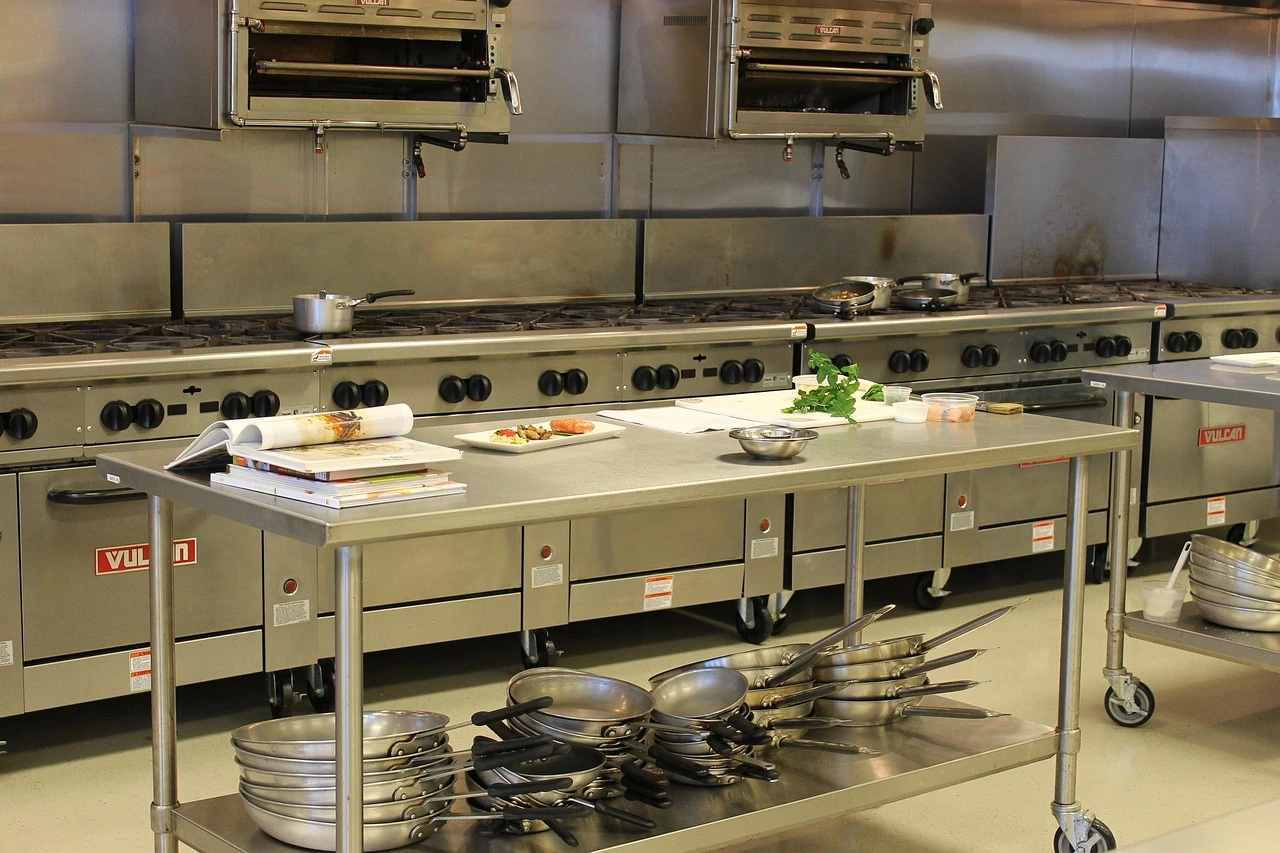
Ghost kitchens prepare meals for pickup or delivery rather than serving customers in a dine-in restaurant. Some run several online restaurant brands from one commercial kitchen, while others lease shared cooking space or use temporary facilities.
Some operators also use artificial intelligence tools to develop menus for multiple brands, handle telephone orders, create food images, track inventory and manage online marketing.
Those digital tools do not change where public health oversight takes place. According to Simone, inspectors visit the physical location where meals are prepared, whether the business operates through a storefront or an online platform.
That includes rented kitchens and temporary spaces, such as kitchens in community centres. The inspection takes place at the site being used to prepare the food.
Requirements apply before opening
All food businesses, including delivery-only operations, must notify York Region Public Health before they open. They must also follow Ontario’s food safety regulations and meet requirements for certified food handlers.
Simone said calls to the region’s Health Connection line from people asking about opening a food business increased by about 15 per cent between 2024 and 2025. That figure reflects inquiries about new food premises generally, rather than ghost kitchens alone.
In response to that interest, the region established a campaign to help prospective food operators understand what is required before opening. The support covers local and provincial requirements, including permits, inspections and food safety standards.
Inspectors also continue educating operators once their businesses are running. Simone said financial pressures in difficult economic conditions affect food businesses broadly, not just those relying on delivery orders.
As technology becomes more widely used in the sector, Simone said inspectors remain trained to assess food safety and maintain the same standards. For customers, the region’s inspection records provide a way to check a food business even when there is no dining room to visit.