
Ontario's postsecondary announcement last Thursday was presented as good news for colleges and universities, and in part it is. For students in Mississauga, though, the fine print deserves a harder look.
On Feb. 12, the province said it will put an extra $6.4 billion into the sector over four years, raising annual operating funding to $7 billion, which it called a 30 per cent increase and the highest level in Ontario's history. It promised 70,000 more seats in programs tied to job demand. It also ended a seven-year tuition freeze: starting this fall, publicly assisted colleges and universities may raise tuition by up to 2 per cent a year for three years, then by 2 per cent or the three-year average rate of inflation, whichever is lower.
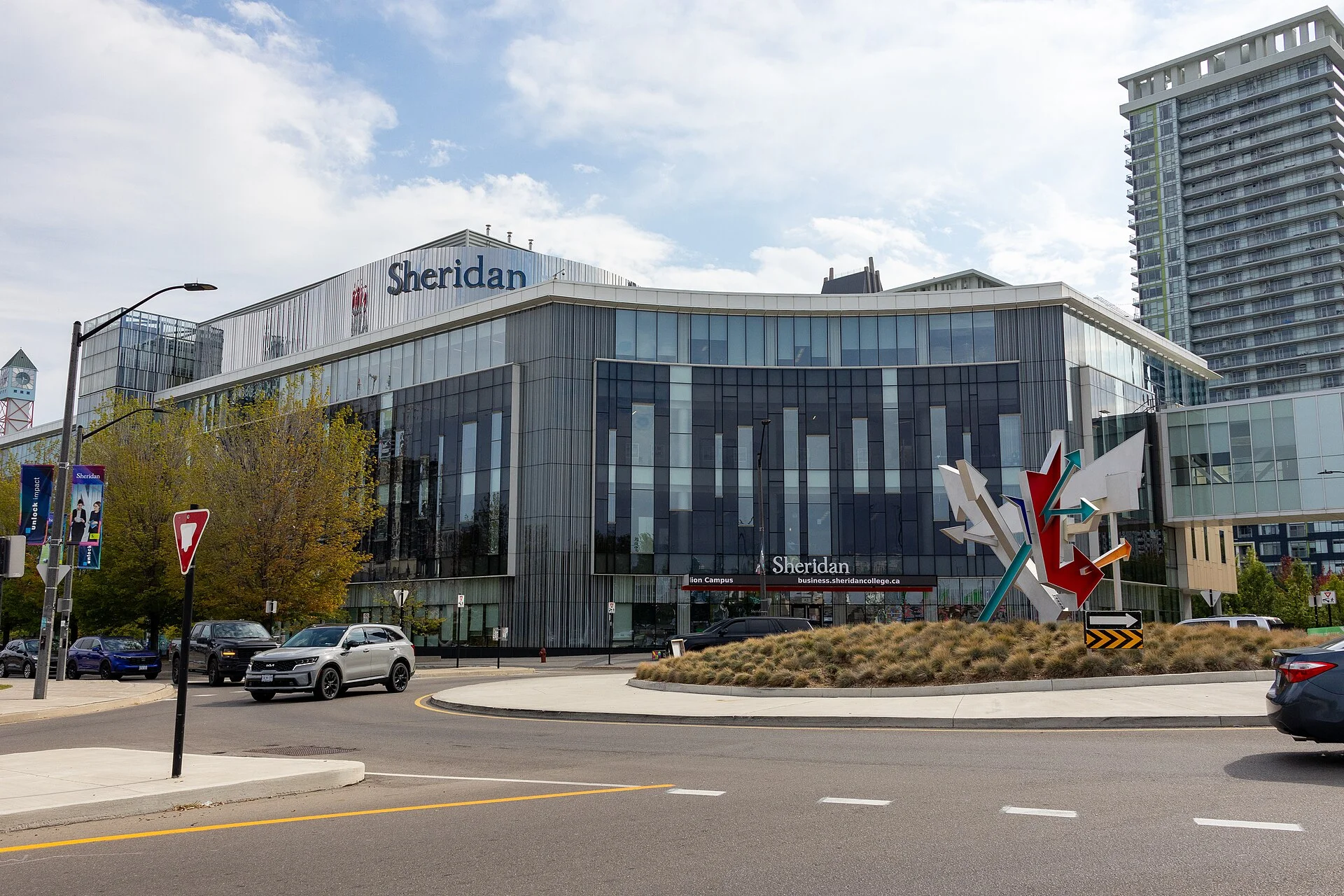
Those decisions land close to home. Mississauga is home to the University of Toronto Mississauga and Sheridan College's Hazel McCallion Campus, and many more residents commute to campuses elsewhere in the region.
The modest part
On its own, the tuition change is modest. The province puts the average added cost at 18 cents a day for college students and 47 cents a day for university students, and says low-income students will have it absorbed through an enhanced Student Access Guarantee. Schools have endured years of frozen domestic fees, and federal limits on international students have cut deeply into their revenue. Some relief was always going to come from somewhere.
The harder part
The bigger change is to student aid. From this fall, no more than 25 per cent of a student's OSAP funding can come as grants, with at least 75 per cent as loans. The Canadian Press reported the current mix is about 85 per cent grants and 15 per cent loans. Loans stay interest-free until six months after graduation.
That is a steep swing for students who use grants to cover rent, food and tuition, and it falls hardest on those with the least family help. Students across Ontario have warned it will leave them with more debt and push some out of school altogether. A student who might once have finished a degree owing little could now graduate owing a good deal more.
Premier Doug Ford defended the change on Tuesday, saying he had held the line on tuition for years and that the current OSAP setup was not sustainable.
I'm always saying we have the brightest and best students and best colleges and universities in the world, but when you're in the hole $2.5 billion it wasn't realistic.
— Premier Doug Ford, as reported by The Canadian Press
The province has a point about cost. But a fiscal argument is not the same as showing students what the change will mean for them.
What students need to know
Ontario should publish plain numbers before fall: how many students will see their grants reduced, by how much, and how much more the typical borrower can expect to owe at graduation. It should also settle the terms of the enhanced Student Access Guarantee, which it says it will negotiate with institutions, well before students have to accept offers and sign leases.
UTM and Sheridan have a role too. Once the guarantee is set, they should tell their students clearly what it covers and who qualifies. Mississauga's MPPs should press for those answers on behalf of the families in their ridings who are weighing whether a degree or diploma is still within reach.
More seats and steadier funding are worth having. But a plan sold as keeping education accessible should be measured by one test: whether the students who most need help can still afford to go.