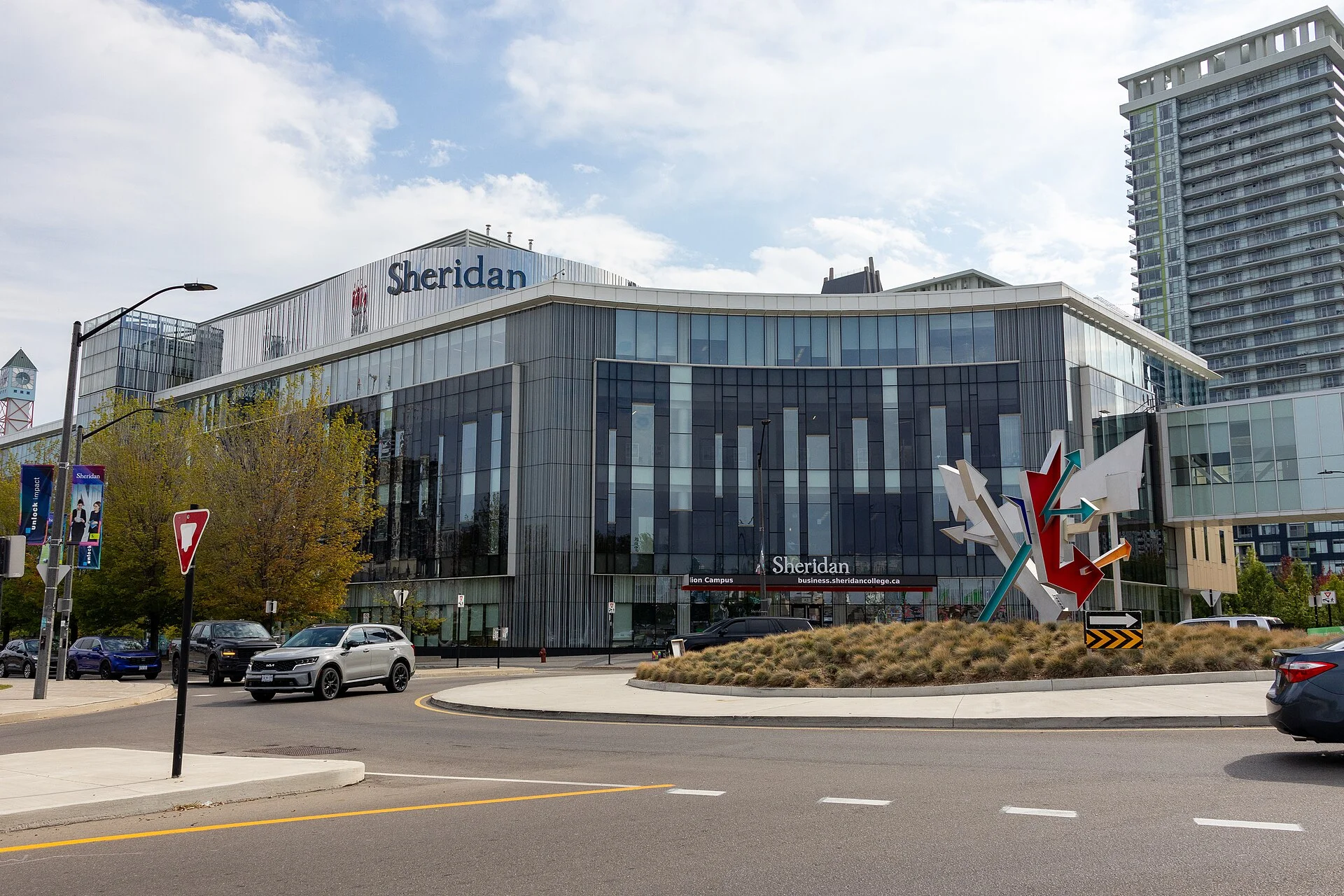
Mississauga council made a bet on Wednesday, Feb. 11. It approved Mayor Carolyn Parrish's motion to eliminate city development charges, effective immediately, on one-bedroom-plus-den and two-bedroom units in purpose-built rental buildings. To qualify, a developer has to pull a building permit before Nov. 13, 2026.
The goal is easy to support. The mayor's argument, in the city's announcement, is that families who keep getting priced out of ownership need more rental homes, and that the city should do what it can to get those projects built.
As a City, we have to do what we can to get rental developments across the finish line and shovels in the ground.
— Mayor Carolyn Parrish, City of Mississauga
This is not the city's first move. Mississauga began cutting or waiving development charges on residential projects in January 2025, after the mayor's housing task force reported, and the Region of Peel matched those incentives in June 2025. Three-bedroom rental units were already fully exempt, and the motion cited the development industry's view that purpose-built rental remains economically unviable without more help.
What the deadline gets right
The Nov. 13 permit deadline is the smartest part of the plan. A waiver with no end date can simply become a permanent discount for projects that might have gone ahead anyway. A firm cut-off rewards builders who move now, and it gives council a clean point to judge whether the policy did its job.
What residents still need to know
Development charges are not a penalty on builders. They help pay for the roads, pipes, parks and other services that new neighbourhoods need. When the city waives them, that cost does not vanish. It is carried by reserves or, eventually, by existing taxpayers, in a year when Mississauga homeowners already face a 5.21 per cent combined tax increase.
The city's announcement did not say how much revenue the expanded waiver could cost, or how many units it expects to unlock. Those are fair questions, and council should answer them in public.
We would suggest three simple measures. First, publish an estimate of the forgone revenue and where it will be covered. Second, report after Nov. 13 how many eligible rental units actually pulled permits, and how many reached construction. Third, make clear whether the region will match this latest round, since regional development charges are also part of what builders pay.
A bet worth tracking
Mississauga has been willing to try new things on housing, from pre-zoning land near transit stations to free garden suite plans and a $44-million affordable rental program backed by federal money. That openness is welcome.
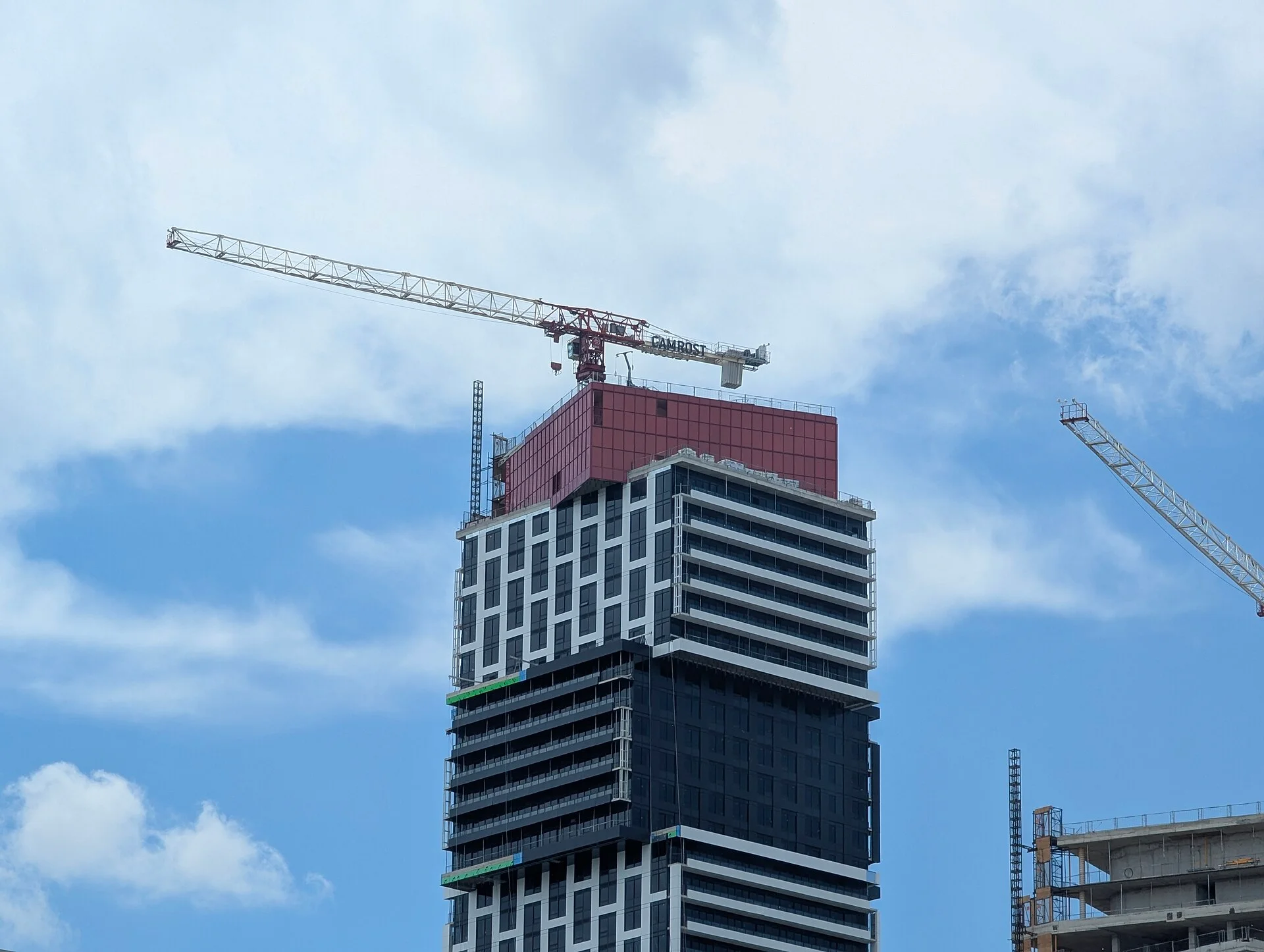
But incentives only earn their keep if they change what gets built. If the waiver brings rental cranes to the skyline by next year, council will have a strong case to keep going. If it doesn't, residents deserve to see that too, before the next discount is offered.