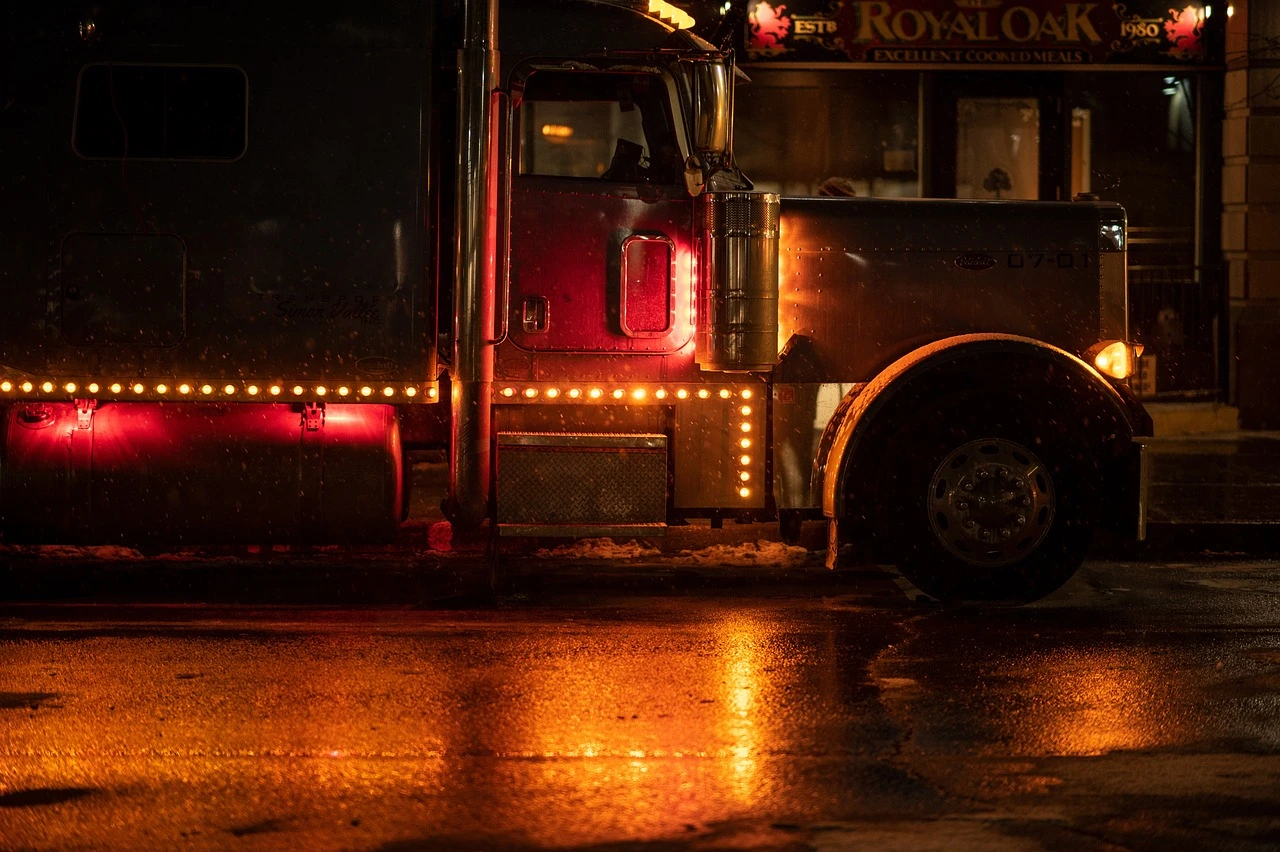
In early 2022, a protest against COVID-19 vaccine mandates for cross-border truck drivers grew into weeks of demonstrations in downtown Ottawa and blockades at Canada–U.S. border crossings — and ended with the first invocation of the federal Emergencies Act.
The Freedom Convoy began on January 22, 2022, when hundreds of vehicles left departure points across the country and converged on Ottawa on January 29 for a rally on Parliament Hill, joined by thousands of people on foot, according to the Wikipedia article on the Freedom Convoy. Estimates of the number of vehicles ranged from 551 to 1,155. Parallel demonstrations took place in provincial capitals and at major border crossings.
The protests followed the end of vaccine mandate exemptions for cross-border truckers. Roughly 85 per cent of Canadian truck drivers on cross-border routes were vaccinated, but the new rules could have affected as many as 16,000 drivers.
The movement was organized by Tamara Lich and B. J. Dichter, neither of whom was a long-haul trucker. "We want to get rid of the vaccine mandates and the [vaccine] passports," Dichter, the convoy's spokesperson, told Fox News. "And that passport, that's the really concerning one."
Millions raised, then frozen
A GoFundMe campaign launched on January 14 raised more than CA$5 million within eleven days, and roughly CA$10.1 million from about 120,000 donors in total. On February 4, GoFundMe removed the campaign, citing violations of its rules on violence and harassment.
A replacement fundraiser on GiveSendGo attracted more than $8.2 million by February 10. Ontario's attorney general obtained an Ontario Superior Court of Justice order under the Criminal Code freezing two campaigns — US$8.4 million under "Freedom Convoy 2022" and more than $686,000 under "Adopt-a-Trucker" — and barring their distribution. A judge later extended the freeze to at least March 9.
The GiveSendGo site was hacked on February 13 and donation data was released publicly. The leaked records showed that of 92,845 donations, 55.7 per cent came from the United States and 39 per cent from Canada. The hack also revealed that some Ontario Provincial Police members had donated to the convoy, prompting an internal conduct investigation by the OPP.
On March 3, GoFundMe executive Juan Benitez told a House of Commons committee that 86 per cent of donors to the original campaign — and 88 per cent of the money — came from Canadians, and that the platform found no donors affiliated with terrorist or organized crime groups.
Emergencies Act invoked
The federal government invoked the Emergencies Act on February 14, 2022, granting extraordinary powers to law enforcement. By February 19, at least 76 bank accounts linked to the protests, totalling CA$3.2 million, had been frozen; most were unfrozen by February 23. Large-scale police operations had dismantled most blockades by February 21.
The RCMP stated it did not share donor lists with banks, only the names of "influencers in the illegal protest in Ottawa, and owners and/or drivers of vehicles who did not want to leave the area impacted by the protest."
The protests drew criticism from trucking groups, who said most participants were not truckers, as well as allegations of far-right involvement and the seizure of weapons near a blockade in Coutts, Alberta. Ottawa's police chief at the time, Peter Sloly, described what he called a "significant element" of American involvement in the organizing and funding.