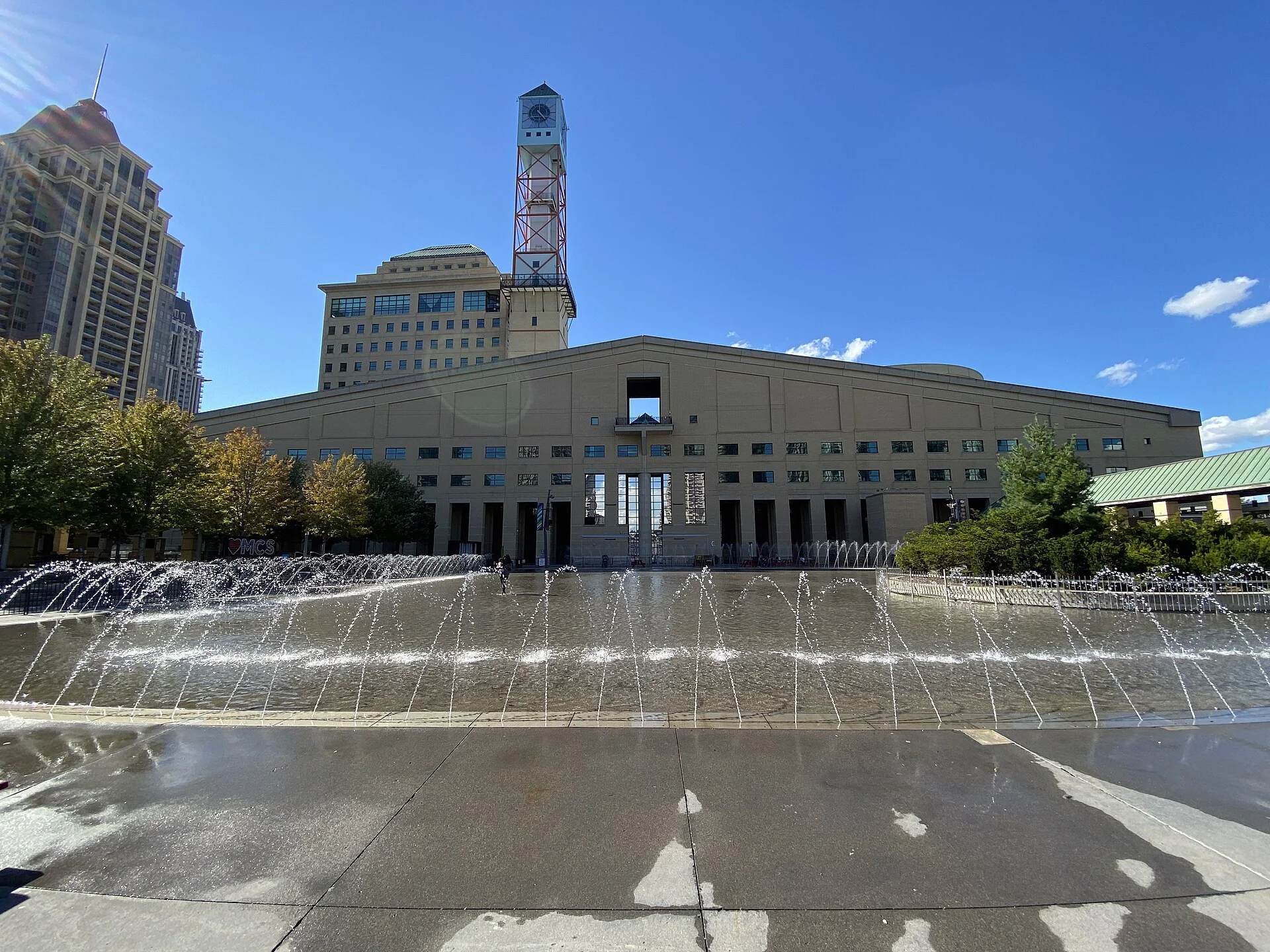
Two days after a storm that set a single-day snowfall record at Toronto Pearson International Airport, Markham council asked the provincial government to deal with the salt spread to fight snow and ice.
Council on Tuesday, Jan. 27, endorsed a resolution brought forward by Coun. Reid McAlpine, who gave notice of it in December, urging Ontario to work urgently with key groups on limited liability legislation for snow and ice management. The proposal would pair that legal protection with enforceable training for contractors and a single set of provincially endorsed best practices for applying salt. The resolution also asks the province to create and fund an expert stakeholder advisory committee on protecting fresh water and drinking water from salt pollution.
Why the city says it matters
The resolution was prepared by the Ontario Salt Pollution Coalition, a group of residents, community organizations and environmental groups, and reviewed by city staff. It notes that road salt, or sodium chloride, is designated as toxic under the Canadian Environmental Protection Act and that salt levels in Ontario's groundwater, creeks, rivers and lakes have been rising since the 1970s.
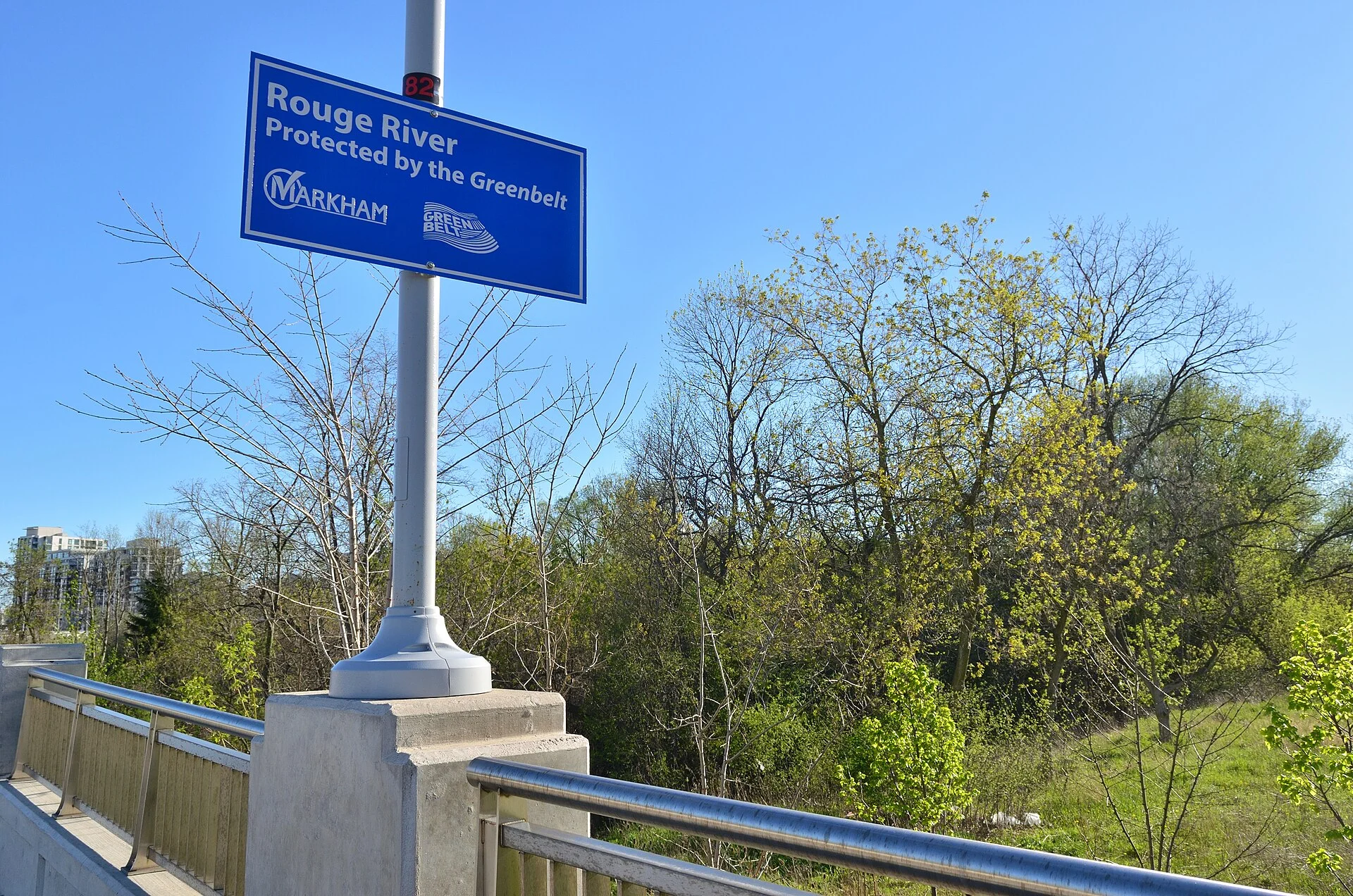
It points to a local example: chloride in the Rouge River south of Markham measured 440 milligrams per litre, against a government guideline of 160. The text says Markham already runs its own salt management plan for city roads and facilities, but raises concern that contractors clearing private properties over-apply salt to protect themselves from slip-and-fall claims, which the resolution describes as often unwarranted.
The resolution cites several U.S. states that have adopted limited liability rules for certified contractors, naming New Hampshire as the best model. It also says the snow and ice sector of Landscape Ontario has been working with the province on a similar approach, though progress has been slow. A liability regime, it argues, could also cut the number of unwarranted slip-and-fall claims made against the city.
Questions at committee
At General Committee that morning, Peter Miasek spoke in support, raising concerns about the effects of salt on the environment, infrastructure and water. Councillors asked how much salt the city uses, how much is applied per stretch of road, whether alternatives such as beet juice are an option, and whether residents' own salt use could be regulated.
Alice Wong, the city's director of operations, told the committee that staff base salt treatment on forecasts and current road conditions and scale back when salt is still on the road surface. She said residential salt use is not regulated and that staff could look at offering public guidance. She added that beet juice contains sugar that can draw wildlife onto roads, and that the city is not proposing to use it.
Committee members added a friendly amendment so the resolution also goes to local members of Parliament, the federal environment minister and the prime minister. It will also be sent to York Region's municipalities, the Association of Municipalities of Ontario, local MPPs, Conservation Ontario, the Ontario Municipal Water Association, Environment Minister Todd McCarthy, Attorney General Doug Downey, Premier Doug Ford and the coalition.