Ottawa transit riders hoping to ride the O-Train all the way to Orléans are in for a longer wait. The Line 1 extension east to Trim station, most recently scheduled to open in the second quarter of 2026, now has no opening timeline at all because testing on the new segment has not yet begun, according to Wikipedia.
The Trim extension is part of OC Transpo's Stage 2 project, which is also extending Line 1 west and adding a new Line 3. Those western pieces — the Line 1 extension to Algonquin station and the new Line 3 to Moodie station in the west end — are expected to be completed by 2027, phasing in the new segments between 2026 and 2027.
Once the full buildout is finished, the O-Train network will stretch 64.5 kilometres with four lines and 41 stations.
What the network looks like today
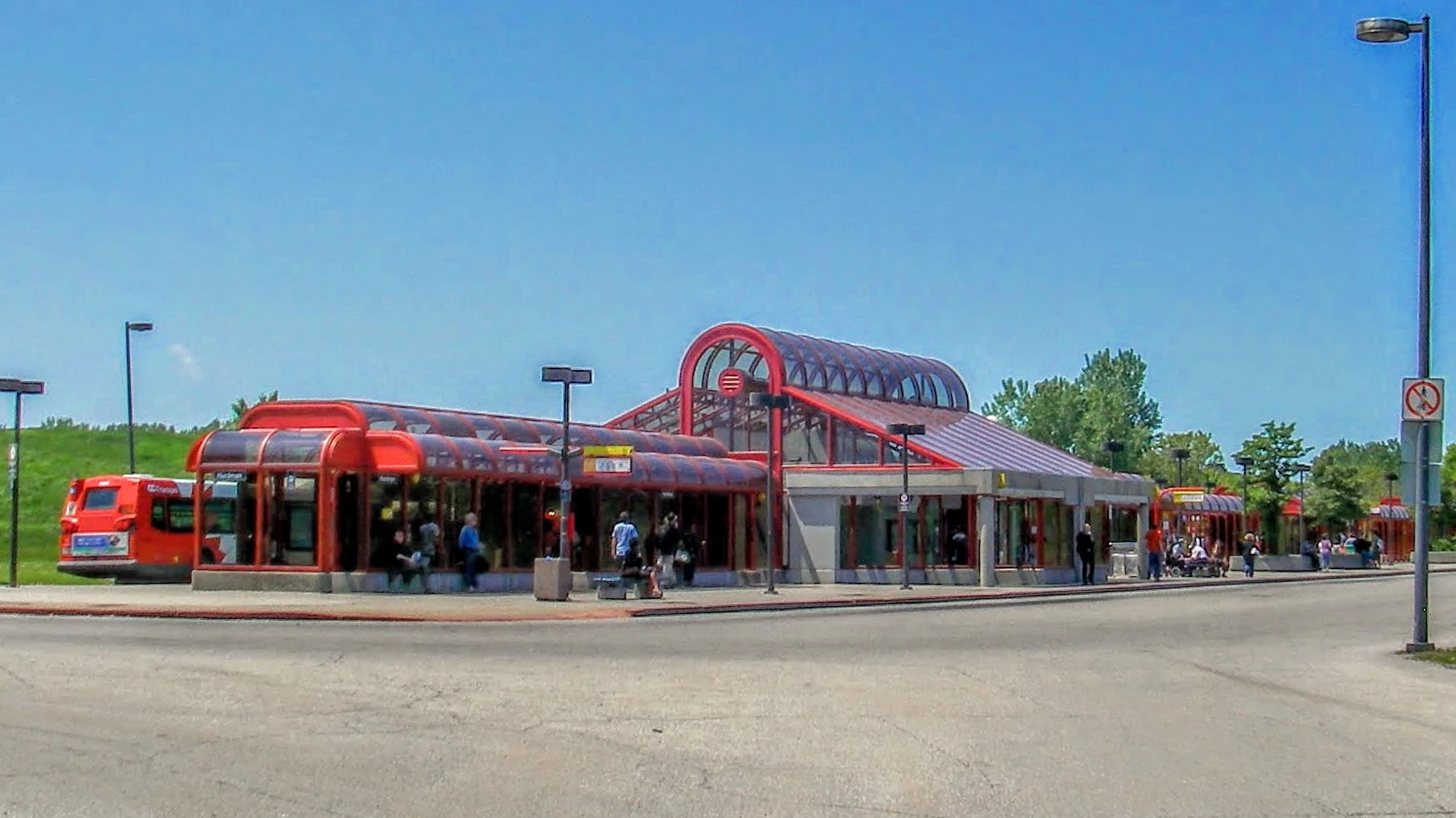
The system currently runs one electric light rail line, Line 1, and two diesel light rail lines, Line 2 and Line 4. All three lines are fully grade-separated, with Line 1 passing through a 2.8-kilometre tunnel downtown and the rest of the network running on surface, trenched or elevated tracks.
From $21-million pilot to city-wide network
The O-Train began in 2001 as a modest pilot project, an alternative to the busways Ottawa had relied on for its rapid transit. The original north-south line ran 8 kilometres on a single track, built along a former Canadian Pacific Railway freight corridor for $21 million, with a further $8 million to operate it for two years. It ran with three low-floor Bombardier Talent diesel trains.
The name came from Ottawa advertising agency Acart Communications, modelled on Duke Ellington's "Take the 'A' Train" and chosen in part because it worked in both English and French. When the east-west Confederation Line was built, the O-Train name was extended to both services, and the original diesel line was renamed the Trillium Line.
The expansion that never happened
The city's first attempt at a major rail expansion collapsed two decades ago. In July 2006, council voted to award a north-south expansion — estimated at just under $780 million — to a Siemens-led consortium. The project would have replaced the diesel line with electric trams running from the University of Ottawa through downtown and south to Riverside South and Barrhaven.
The plan became a defining issue of the 2006 municipal election. Transport 2000 president David Jeanes, a longtime light rail supporter, said he believed the project was "designed to fail", though city transportation staff disagreed with his assessment, according to Wikipedia.
A new council cancelled the contract on December 14, 2006, by a vote of 13-11. The cancelled project cost the city about $73 million, and lawsuits over the cancellation totalled $36.7 million by 2008. Siemens had offered the city two options: pay $175 million to settle, or relaunch the project at an added cost of $70 million.
The city instead pursued rail expansion in stages, starting with the east-west Confederation Line — the approach that produced the network now being extended toward Orléans and the west end.