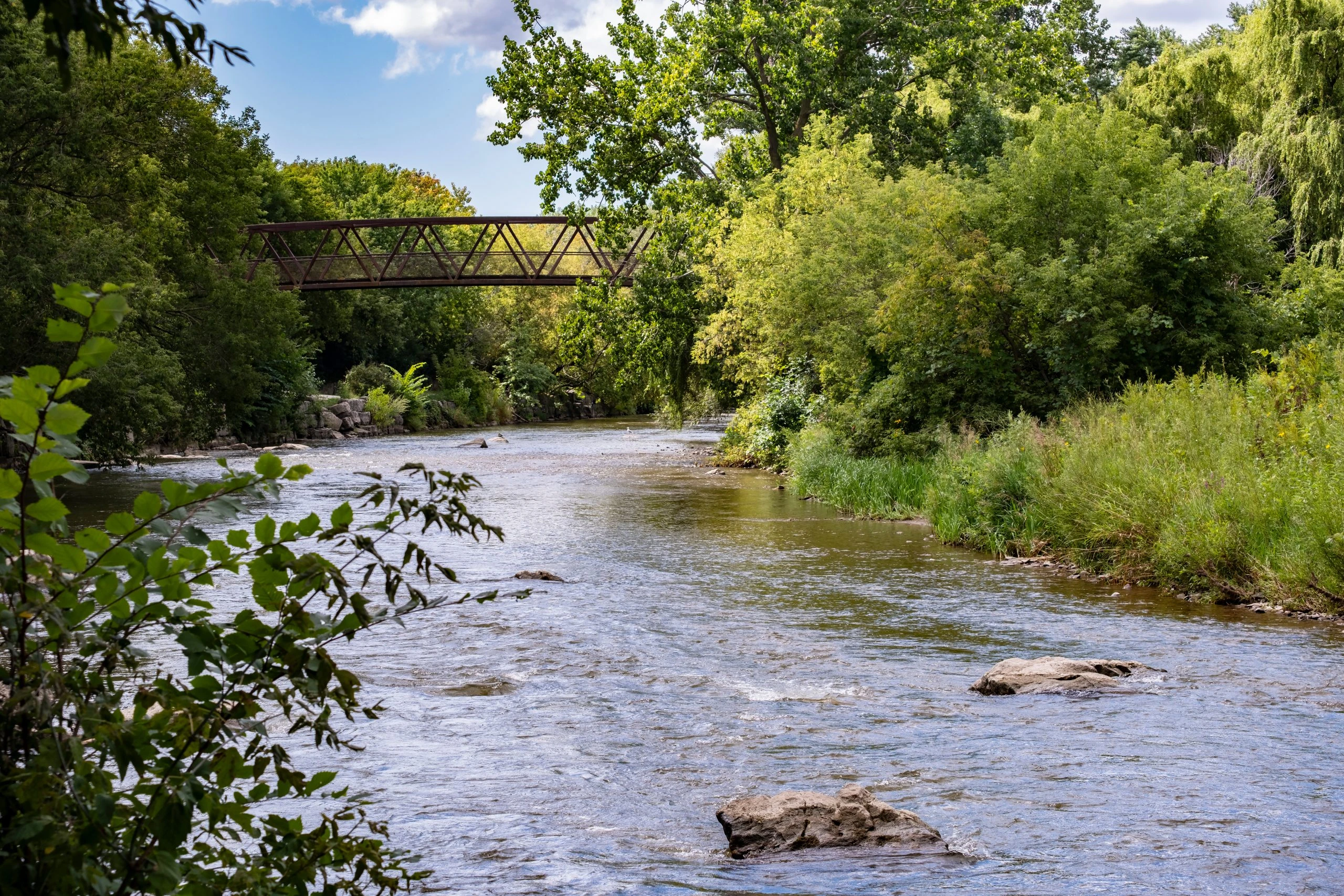
Mississauga residents looking to see salmon swim upstream along the Credit River are entering the migration’s usual peak period, with the city urging spectators to give the fish space and anglers to check fishing restrictions.
According to a City of Mississauga news release, the annual salmon run generally starts in September, reaches its peak in early October and carries on through the fall. Its timing depends on weather and water conditions.
Thousands of salmon make the journey from Lake Ontario into the Credit River each fall, returning to the waters where they hatched to spawn. For residents, the migration offers a chance to observe wildlife while walking local parks and trails.
Watch without disturbing the fish
The city recommends watching from trails, bridges and riverbanks rather than disturbing salmon as they move upstream. Giving them room is particularly important during a demanding stage of their lives.
The fish must swim against strong currents and get past obstacles to reach their spawning grounds. Many do not survive the trip, while those that reach their destination still need sufficient energy to lay their eggs, the city said.
Salmon seek calmer water where they can dig nests in gravel. These nests, known as redds, hold their eggs.
The migration continues beyond its typical early-October peak, but weather and water conditions affect how long it lasts. The city’s guidance is to observe from the shore or established viewing points without interfering with the fish.
Fishing restrictions apply
Anyone fishing in Mississauga waters must comply with Ontario’s fishing regulations. Those rules cover seasonal closures, locations where fishing is permitted and approved fishing methods.
Certain sections of the Credit River are designated fish sanctuaries from August 15 until the Friday before the fourth Saturday in April, according to the city. Anglers should review current provincial regulations before heading out.
Illegal practices such as snagging can harm salmon populations and may lead to fines or charges, the city warned. Both fishing restrictions and responsible viewing are intended to avoid interference with the migration.
A role in the river ecosystem
The salmon run also highlights the importance of healthy rivers and watersheds. Those habitats support not only fish, but birds, turtles, mammals, insects and other wildlife.
As some salmon species reach the end of their life cycle, nutrients return to the river and surrounding habitat. In spring, a new generation begins travelling downstream towards Lake Ontario, with salmon returning years later to spawn and repeat the cycle.