
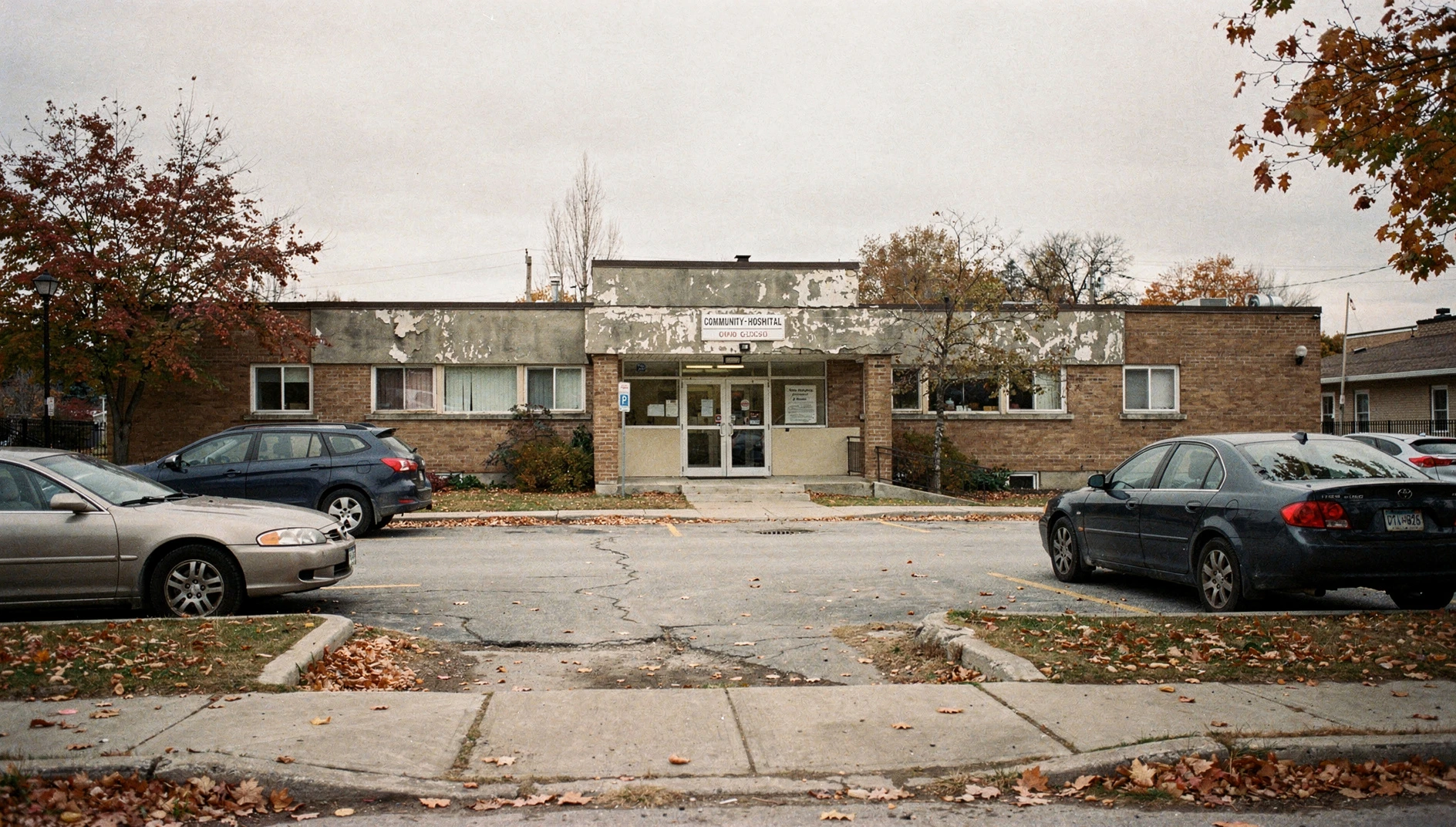
Fort Erie is moving forward with plans for a Community Health Hub, a response to the planned 2028 closure of the Douglas Memorial site and its Urgent Care Centre that has drawn close attention from residents across south Niagara.
At its September 28 meeting, Fort Erie Town Council received a Community Report prepared by consultant Santis Health and, in principle, endorsed its recommendation to advance a phased Community Health Hub model centred on stronger primary and community care, according to a Town of Fort Erie media release.
Council directed staff to proceed with the next phase of the initiative, which includes service-model development, partner and funder engagement, site and facility due diligence, implementation planning and preparation of a detailed business case. It approved up to $118,000 from the South Niagara Hospital – Health Care Reserve to support that work.
This is an important step forward in protecting access to local health care for Fort Erie residents. Significant work remains, and Council maintains its position that the UCC at Douglas Memorial continues until a viable alternative is in place for our community.
Mayor Wayne Redekop said in the media release.
Why the hub is being pursued
The town launched the Reimagining Douglas Memorial Initiative in March 2026 in response to changes in Niagara's health care system, including Fort Erie's rapid population growth, rising pressure on primary care and the planned 2028 closure of Douglas Memorial and its services, including the Urgent Care Centre.
Santis Health built its evidence base through an environmental scan, interviews with more than 20 stakeholder groups, reviews of comparable health hub and urgent care models, policy and funding analysis, and an independent assessment of the Douglas Memorial building and site.
The report identifies primary and community care capacity as Fort Erie's central health care challenge. Twelve local family physicians roster approximately 23,684 patients, leaving an estimated 13,542 residents without a family doctor. The problem is expected to worsen, with 39 per cent of local physicians expected to retire within five years.
The Fort Erie and Port Colborne Urgent Care Centres collectively receive more than 27,500 visits annually, including 13,065 in Fort Erie. Many of those visits involve lower-acuity conditions that could be treated through accessible primary and community-based care where available.
Based on that evidence, Santis Health identified a centralized, co-located and scalable Community Health Hub as the strongest path forward. The town says bringing services together could improve access to routine and after-hours care, help more residents connect with primary care, support vulnerable populations and preserve emergency department capacity at the new South Niagara Hospital for higher-acuity and time-sensitive cases.
This report provides a clearer path forward and next steps for a community health hub model. Council's approval sets clear direction to develop the concept in greater detail, confirm partners and funding sources, and build a financially viable plan that can be brought back to Council.
Chief Administrative Officer Chris McQueen said in the release.
What happens next
Council has directed staff to further evaluate the Douglas Memorial site as a redevelopment candidate — including potential community, social, housing and health uses — while also considering other viable locations. The report notes the building's age, layout and location must be realistically weighed when determining its future.
Council's decision is not final approval of a specific hub, location or capital investment. Staff will identify prospective health care partners and operators, explore governance models, evaluate potential sites and develop preliminary capital and operating estimates.
The work will also include planning for the transition to 2028, with the goal of maintaining reliable access to local care as regional health services change. Staff will pursue provincial, federal, regional, philanthropic and partner funding, along with additional community engagement, before returning to council with a preferred implementation pathway, funding strategy, risk assessment and recommended phasing.