Mississauga is gearing up to celebrate the small creatures that keep its gardens and green spaces alive. The city will mark Pollinator Week from June 22 to 28, 2026, with a series of educational activities and guided walks for residents, according to a City of Mississauga news release.
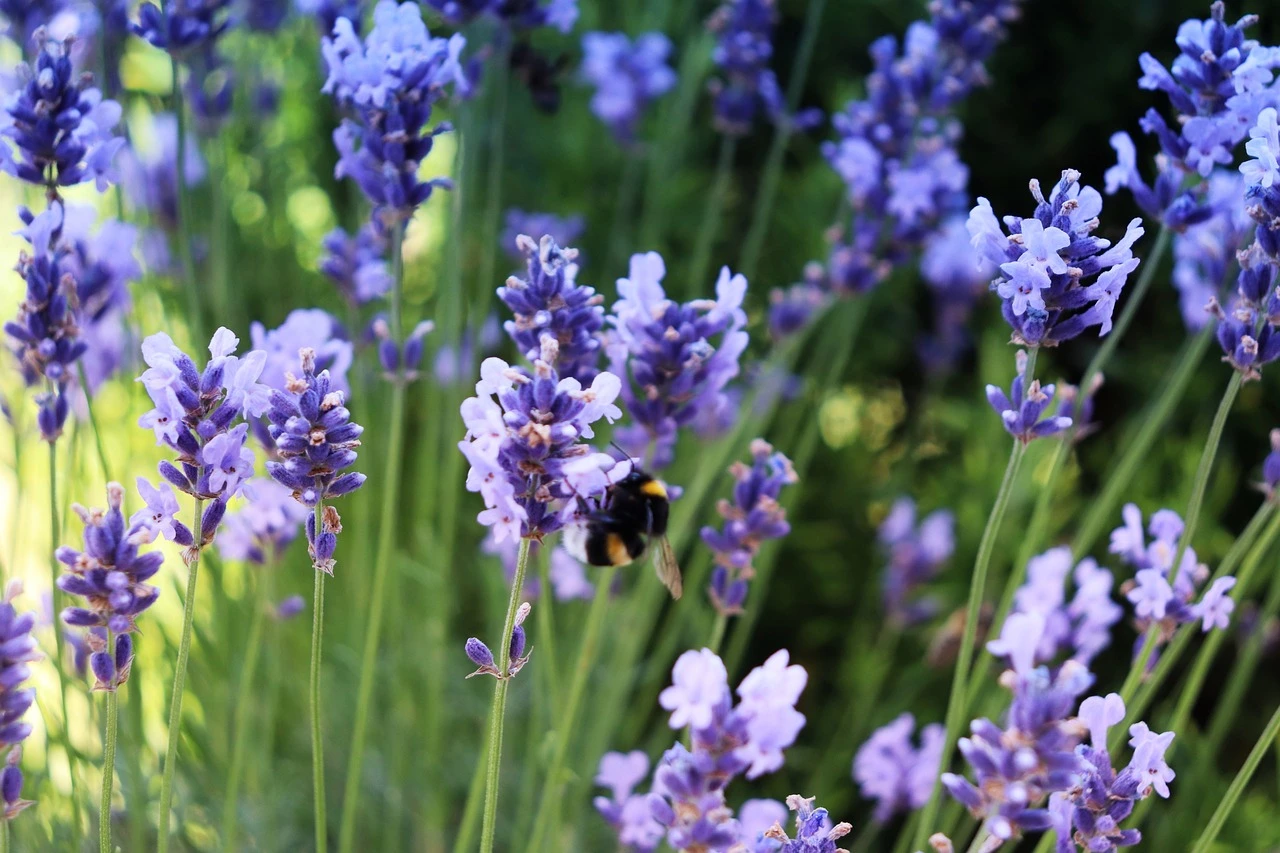
The week is designed to teach residents how to protect pollinators and the habitats they depend on. Pollinators include ants, bees, butterflies and moths, and the city says these insects keep Mississauga's natural areas healthy by pollinating plants — a process that helps grow food and creates homes for other animals, insects and local wildlife.
The stakes are broader than many residents might realize. About 75 per cent of flowering plants, including crops, rely on pollinators to grow, the city says. Everyday foods such as blueberries, chocolate, coffee and peaches all depend on them.
Pollinators carry pollen from plant to plant, which allows many plants to produce the fruits and seeds they need to reproduce. Without them, the city says, Mississauga's gardens and natural areas would be bare, and plants would be unable to sustain local diets and ecosystems.
Mississauga holds a Bee City designation, which comes with a commitment to improving pollinator habitat and engaging residents to help pollinators thrive, according to the City of Mississauga news release.
Part of that work is already visible on the ground. The city maintains and protects two tallgrass prairies — one at Jack Darling Memorial Park and another at Lorne Park Prairie. These spaces provide critical habitat and safe havens for pollinators, including bees, butterflies, moths and hummingbirds.
How residents can help
The city is encouraging residents to take part beyond the week's activities. Through the One Million Trees program, residents can add native trees and shrubs to their own properties.
Even small spaces can make a difference, the city says. Adding native flowers and plants to a porch, balcony or yard provides food and shelter for pollinators, giving them natural pathways to move through the city.
Residents who naturalize their yards can also be recognized by the city for being good environmental stewards.
Pollinator Week runs June 22 to 28, 2026. Details about the activities and guided walks are available through the city.