
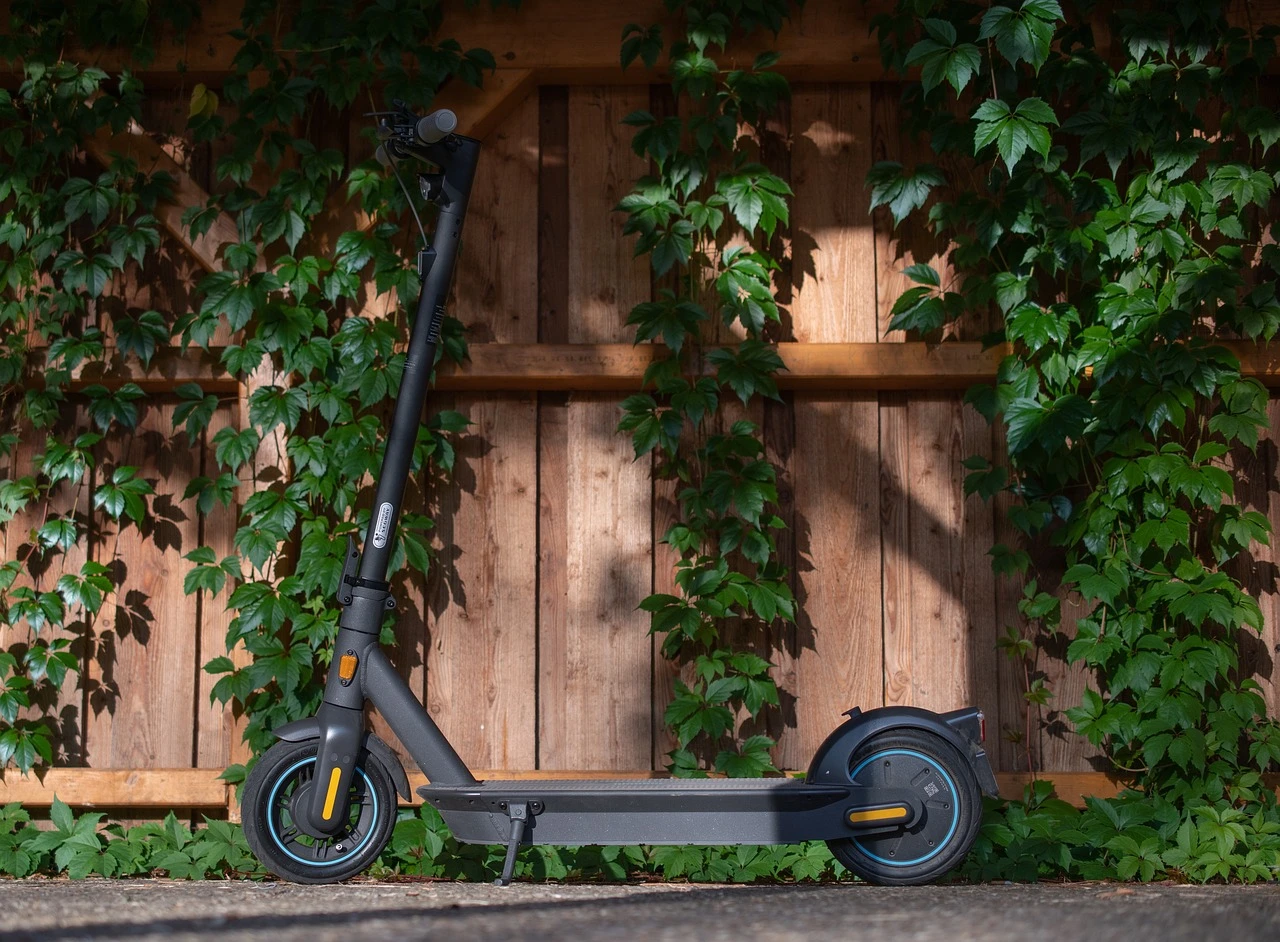
Pickering's shared e-scooter pilot program is in its final month of the 2026 season, with Bird scooters set to stay on local streets through the end of October, weather permitting, according to the City of Pickering.
The scooters have been available to rent since April 1, marking the second full season of the pilot, which the City first launched in 2025 with Bird selected as the vendor.
The program is a partnership with Bird Canada Scooters Inc., which operates and maintains the service and covers all capital and operating expenses at no cost to the City. Riders download the Bird Canada mobile app to see rates, ride passes and scooter locations.
How the program works
Shared e-scooters are owned and operated by a company and rented for a fee based on time or distance. They are picked up and returned at designated locations, and the operator handles charging, maintenance and redistribution — a setup the City describes as an affordable transportation option, particularly for residents without access to a car or transit, or for whom long walks or bike rides are difficult.
The program is being closely monitored by the City's Transportation & Traffic Services, Municipal Law Enforcement Services and Bird Canada Scooters Inc., the City said.
Under Pickering By-law No. 7992/23, which came into effect February 27, 2023, the pilot runs annually from April through the end of October. Scooters operate daily from 6:00 a.m. to 11:00 p.m., and are remotely deactivated at 10:45 p.m. each night to prevent new trips from starting. Service resumes at 6:00 a.m. the following day.
Rules for riders
Shared e-scooters are capped at 20 km/h, with slow zones limited to 15 km/h. The locations of slow zones, no-ride zones and dedicated parking areas are shown in the Bird Canada app.
Shared scooters must be parked upright in a permitted location identified through the app or in designated areas marked with signs or a pavement mat. Riders can find parking spots by looking for the "P" symbol in the app. Scooters may not block sidewalks, walkways, driveways or access to transit buses, though parking on a grassed boulevard is allowed where applicable.
Privately owned e-scooters, which their owners are responsible for charging, storing and maintaining, must be parked upright at existing bicycle racks. Both shared and private e-scooters must follow local by-laws, including the Region of Durham's e-scooter by-law for regional roads.
What happens next
The City is asking residents to report questions, concerns and feedback about the program, including collisions, sidewalk riding and improperly parked scooters. City staff will review all feedback and data collected during the pilot, which the City said will help inform future decisions on permanent options and operating guidelines for e-scooter rental programs.
The pilot exists under a broader provincial framework. The Ontario Ministry of Transportation launched a five-year electric kick-scooter pilot under Ontario Regulation 389/19, running from January 1, 2020, to November 27, 2029, which lets municipalities decide by-law whether and where e-scooters may operate locally.
More information about the program, including feedback channels and detailed rules, is available on the City's website.