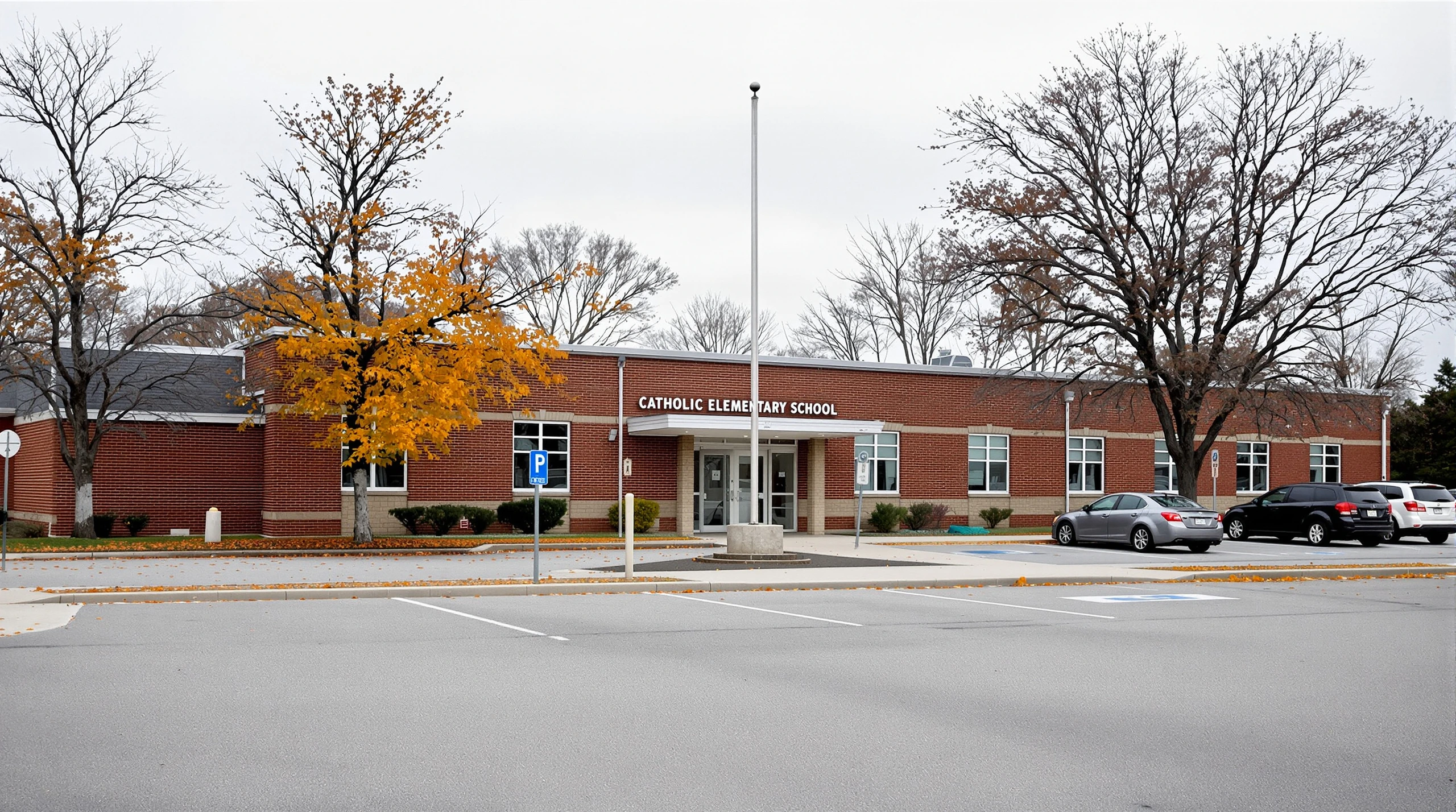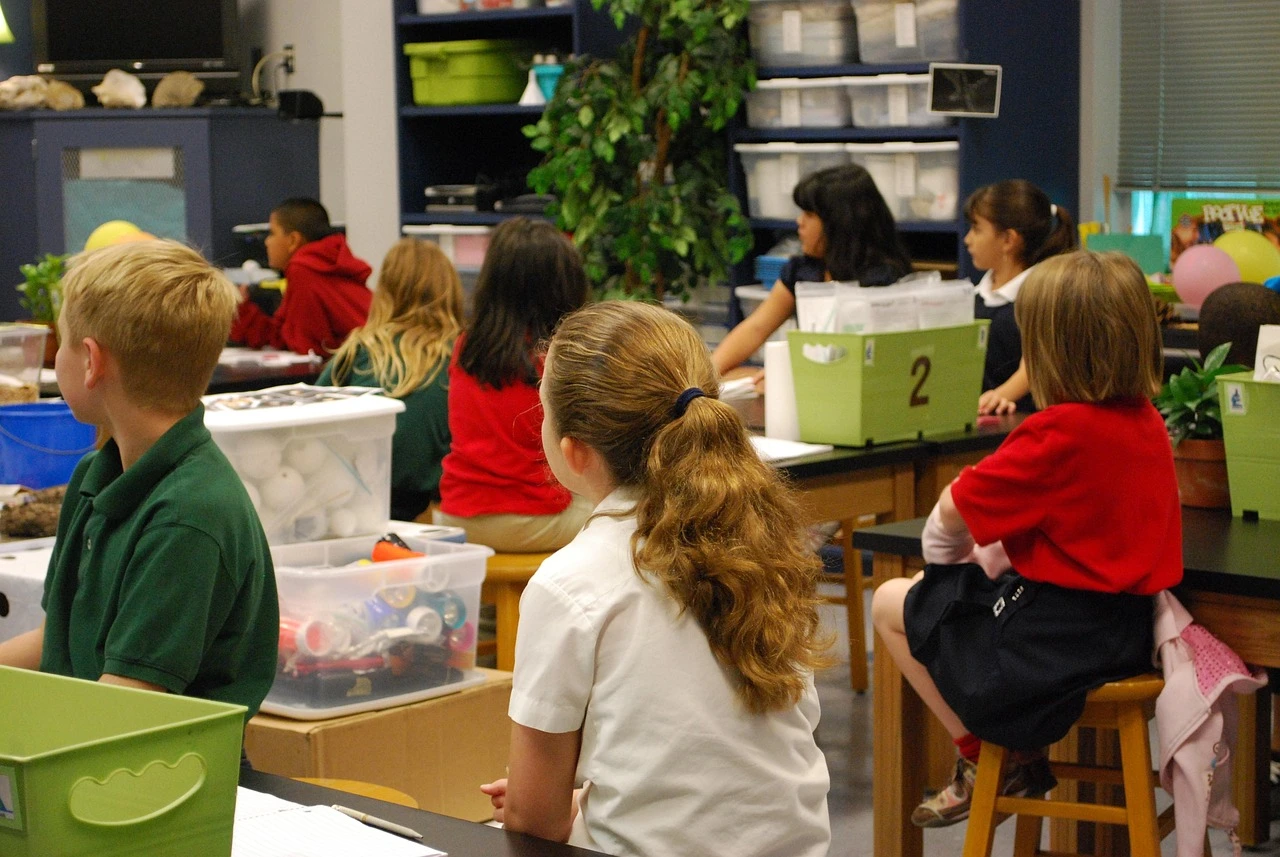

Mississauga students walked back into classrooms this week under a school system that remains under unprecedented provincial control, with both Peel boards still supervised by the Ontario government and new budgets showing cuts to special education.
The Peel District School Board and the Dufferin-Peel Catholic District School Board are among eight of the province's largest boards now under Ministry of Education supervision, a status that keeps elected trustees sidelined while appointed supervisors run day-to-day governance.
The stakes for families were on display at Queen's Park on August 29, when close to 200 protesters gathered as part of the 'Fight Ford Province-wide' demonstrations — one of more than 50 rallies held across Ontario before the school year began, The Pointer reported.
Budgets lean on 'Supervisor Savings'
The PDSB's 2026-27 budget totals about $2.165 billion. The board had initially projected a deficit of roughly $35 million, but that figure was reduced to $10.9 million after $24.1 million in what the board called "Supervisor Savings" — changes handed down by the appointed provincial supervisor, including the elimination of 25 positions deemed surplus and reductions tied to vacancies and attrition.
The PDSB's Special Education Fund was cut by $7.5 million year over year, including a $5.4-million reduction in per-pupil special-education funding and $828,000 less for specialized equipment for students with disabilities.
The DPCDSB's operating budget sits at approximately $1.067 billion, with a projected deficit of $35.4 million after its own supervisor savings. That board projects an accumulated deficit of $150.7 million as of August 31, 2027, citing declining enrolment, its employer-paid long-term disability plan and rising operational demands.
Ministry took over Peel board in January
The Ministry took over the PDSB again in January — five years after issuing 27 binding directives following a review that exposed entrenched anti-Black racism and governance failures — citing "infighting and long-term financial unsustainability that risk disrupting learning and undermining student outcomes." The move halted a planned layoff of 60 classroom teachers the Ministry said would have affected nearly 1,400 students mid-year.
PDSB director of education Rashmi Swarup, who faced criticism after being named in a lawsuit over her alleged role in failing to address systemic discrimination, announced her early retirement and will step down at the end of November. In March, the province appointed Heather Watt as supervisor of the PDSB, despite her lack of education-sector experience; her background includes serving as chief of staff to the deputy premier and minister of health and long-term care.
People were joking about it because if you look at their specialties, none of them have any background in education or special needs or social work or psychology, psychiatry.
Bonnie Powell, a retired educator who worked in Peel and Toronto schools for 30 years and has hosted rallies since February, told The Pointer the appointees lack the expertise boards need.
If you look at the Education Act, it's rather fuzzy with kids for special needs and what they are entitled to, because one would think that all students are entitled to a full day of school by law.
Powell pointed to the December death of seven-year-old Hamilton student Maximus Simao — a non-verbal autistic boy sent home early because of a special-education staff shortage who was then struck by a bus — as evidence of what happens when supports are not in place.
The provincial government has defended its record, pointing to a $60-million province-wide digital learning platform announced in June and the expansion of Student and Family Support Offices to all 72 school boards on September 1.
Deborah Karam, president of the Toronto Elementary Catholic Teachers union, said at the rally that the response from educators has been growing frustration.
We should protest against Doug Ford for what he's done to education. I think the more people who show up, shows him that we are concerned.
The PDSB serves one of Canada's largest and most diverse student populations, with roughly 85 percent of its 155,000 students identifying as a visible minority in 2025.