A coalition of environmental groups is urging the Ontario government to use its 2026 budget to link housing construction, transit spending and Lake Simcoe protection, arguing the three goals reinforce one another rather than compete.
The Rescue Lake Simcoe Coalition (RLSC) has submitted a set of pre-budget recommendations to the province, drawing on its recent report, "Protect Our Plan: From Good Goals to Practical Progress." The submission focuses on steering growth in the Lake Simcoe watershed — one of Ontario's fastest-growing regions — toward communities that already have water, sewer and transit service.
"Lake Simcoe shows why housing, transit, and environmental protection have to be planned together," Jonathan Scott, executive director of the Rescue Lake Simcoe Coalition, said in the coalition's news release. "If growth is concentrated in serviced, transit-supported communities, it reduces sprawl, protects natural cover and lowers long-term infrastructure and water-treatment costs."
What the coalition is asking for
The recommendations include prioritizing compact, transit-oriented residential development within existing settlement areas, particularly along established rail corridors. The coalition says targeted investment in regional transit and enabling infrastructure would let communities grow up rather than out, limiting sprawl, protecting natural cover and reducing runoff and flood risk to the lake.
The group also wants the province to expand the Conservation Land Tax Incentive Program and create a Lake Simcoe-specific riparian tax exemption for naturalized buffers along rivers and streams. According to the coalition, those buffers reduce runoff and flooding while lowering downstream infrastructure and water-treatment costs.
"Cutting taxes to protect our water is good policy and good politics," Scott said in the news release.
On road salt — a long-running concern for the lake's water quality — RLSC proposes a limited-liability framework for certified snow and ice contractors, similar to a model used in New Hampshire. The coalition says the change would discourage excessive salt use, protect waterways and infrastructure, and give small businesses greater certainty and cost savings. It could be advanced through the budget bill, the submission notes.
The recommendations also call for maintaining and retrofitting stormwater systems as part of broader infrastructure renewal. Well-kept stormwater assets, the coalition argues, are essential to supporting higher-density housing in serviced areas, managing flood risk and protecting water quality.
Building on existing investments
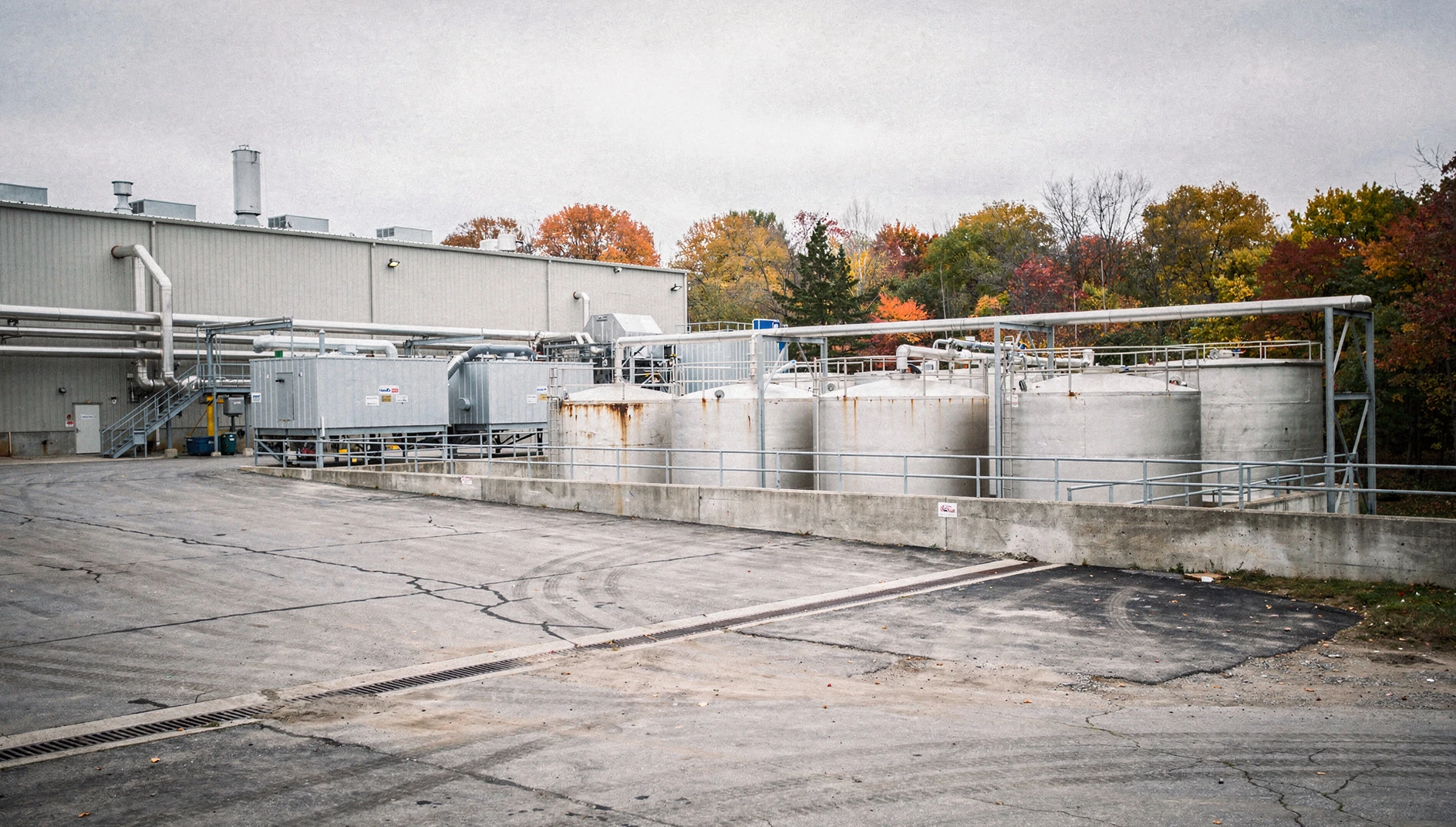
The submission acknowledges recent provincial investments in the lake, including the Lake Simcoe Phosphorus Reduction Facility and funding for monitoring, research, agricultural washwater treatment and natural heritage protection. RLSC is asking the government to build on that work through co-ordinated policy and budget decisions.
"Ontario has an opportunity to show that housing delivery, transit expansion and environmental protection can reinforce one another," Scott said. "The 2026 budget is a chance to put those pieces together in a practical, cost-effective way."
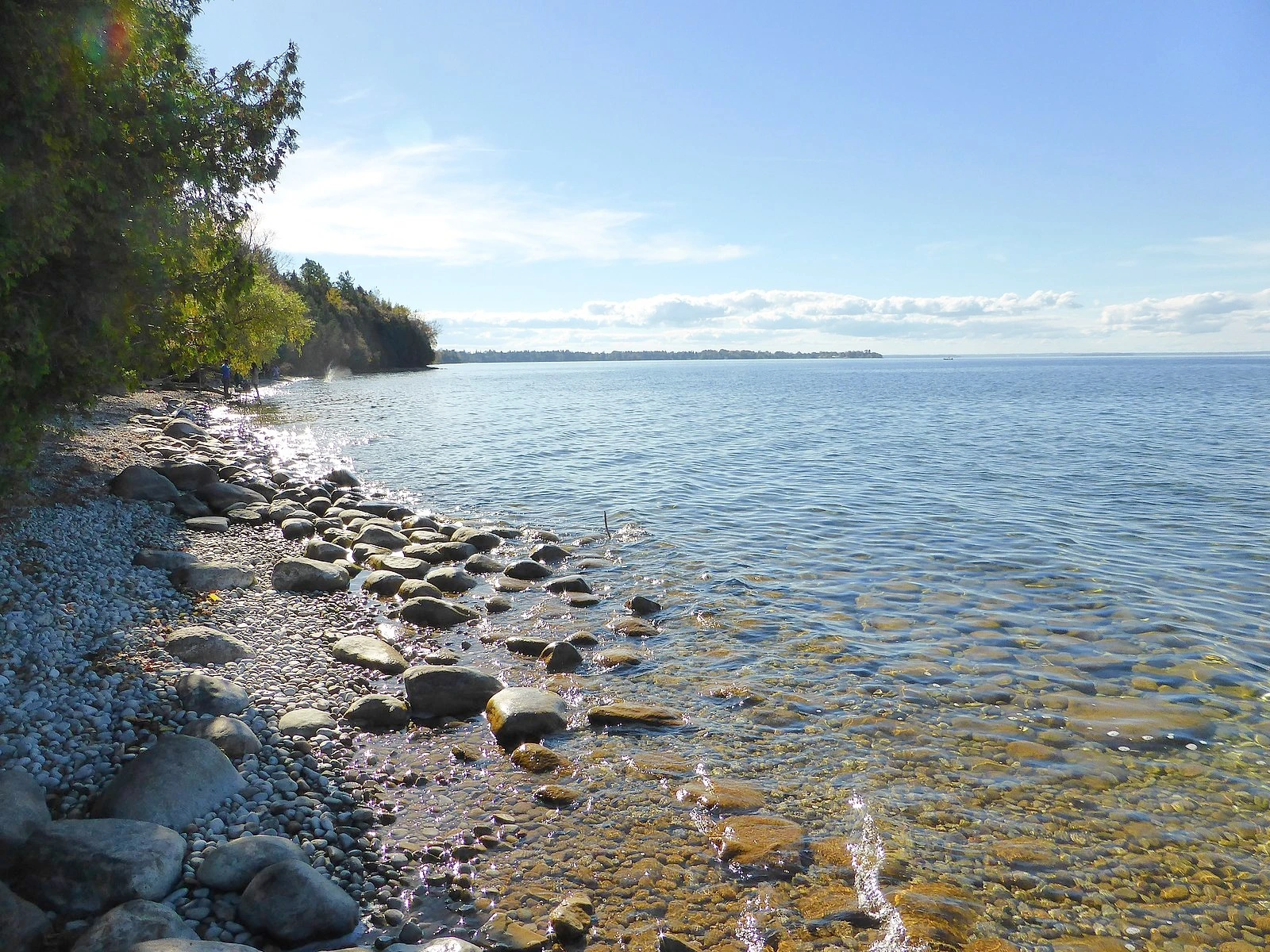
Lake Simcoe supports more than half a million residents and supplies drinking water, recreation, agricultural productivity, tourism and natural flood protection across the region, according to the coalition.
RLSC says it has shared its submission with Lake Simcoe-area members of Provincial Parliament and plans continued dialogue as the province prepares the 2026 budget.