Toronto’s Bloor-Danforth subway could carry up to 40 per cent more passengers under a $402-million signalling upgrade awarded to Hitachi Rail, though full implementation is scheduled for 2037.
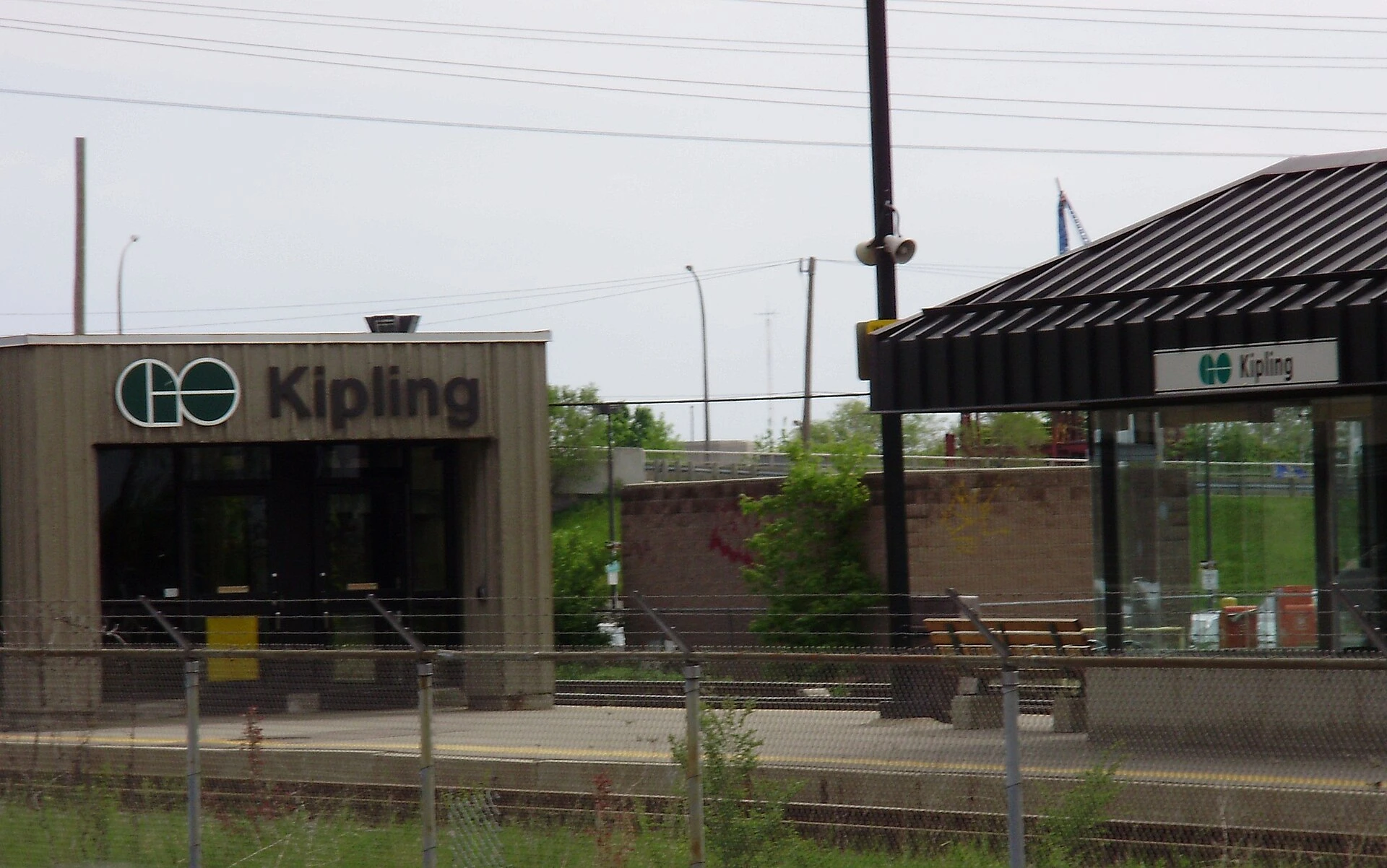
UrbanToronto reported that the TTC announced the project at a July 15 press conference at Kipling station in Etobicoke. The investment would replace Line 2’s fixed-block signalling equipment, which dates to the subway’s original construction more than half a century ago.
For riders using the east-west route, the promised benefits are more frequent trains and more reliable service. TTC CEO Mandeep Lali said the new system would allow the agency to increase service frequency once the work is complete.
The project will introduce Communications-Based Train Control, or CBTC, across the line. Also known as Automatic Train Control, the technology tracks each subway train’s precise location and automatically manages service while maintaining appropriate distances between trains.
That control system is the basis for the projected capacity increase. The announcement puts the potential gain at up to 40 per cent, rather than guaranteeing that increase when the system enters service.
Mayor Olivia Chow, TTC Chair Jamaal Myers, Councillor Michael Thompson and Hitachi Rail Canada chief operating officer Arnaud Besse joined Lali for the announcement at the western end of Line 2.
Line 1 experience offers a comparison
Toronto already uses the technology on the Yonge-University subway. Line 1’s system was activated in September 2022 following a multi-year installation process.
According to the TTC, the Line 1 upgrade has improved reliability and saved labour hours and tens of millions of dollars by allowing one-person train operations.
UrbanToronto also reported concerns from riders and transit advocates about slower train speeds and reduced frequencies on Line 1 since the system was introduced. Those concerns relate to the existing Line 1 operation, not measured results from the planned Line 2 upgrade.
The technology has a longer connection to Toronto: UrbanToronto reported that CBTC was developed in the city during the 1970s for the now-closed Scarborough Rapid Transit line before being adopted by metro systems elsewhere.
For Line 2, the signalling work is scheduled to reach full implementation two years after Alstom delivers the final order of the route’s new subway fleet. That timetable leaves riders more than a decade away from the completed system and its projected capacity benefits.