The salt that keeps Mississauga's roads and sidewalks passable in winter doesn't vanish when the snow melts, and the conservation authority for the Credit River is keeping track of where it goes.
Credit Valley Conservation (CVC), which is headquartered on Old Derry Road in Mississauga and oversees the watershed the Credit River drains on its way through the city to Lake Ontario at Port Credit, outlined its winter field work on Wednesday, Feb. 18. That was the same day freezing rain, ice pellets and snow were forecast for the city.
A day earlier, the City of Mississauga said its crews would be clearing and treating roads, sidewalks and bus shelters as needed through the storm.
Chloride in the creeks
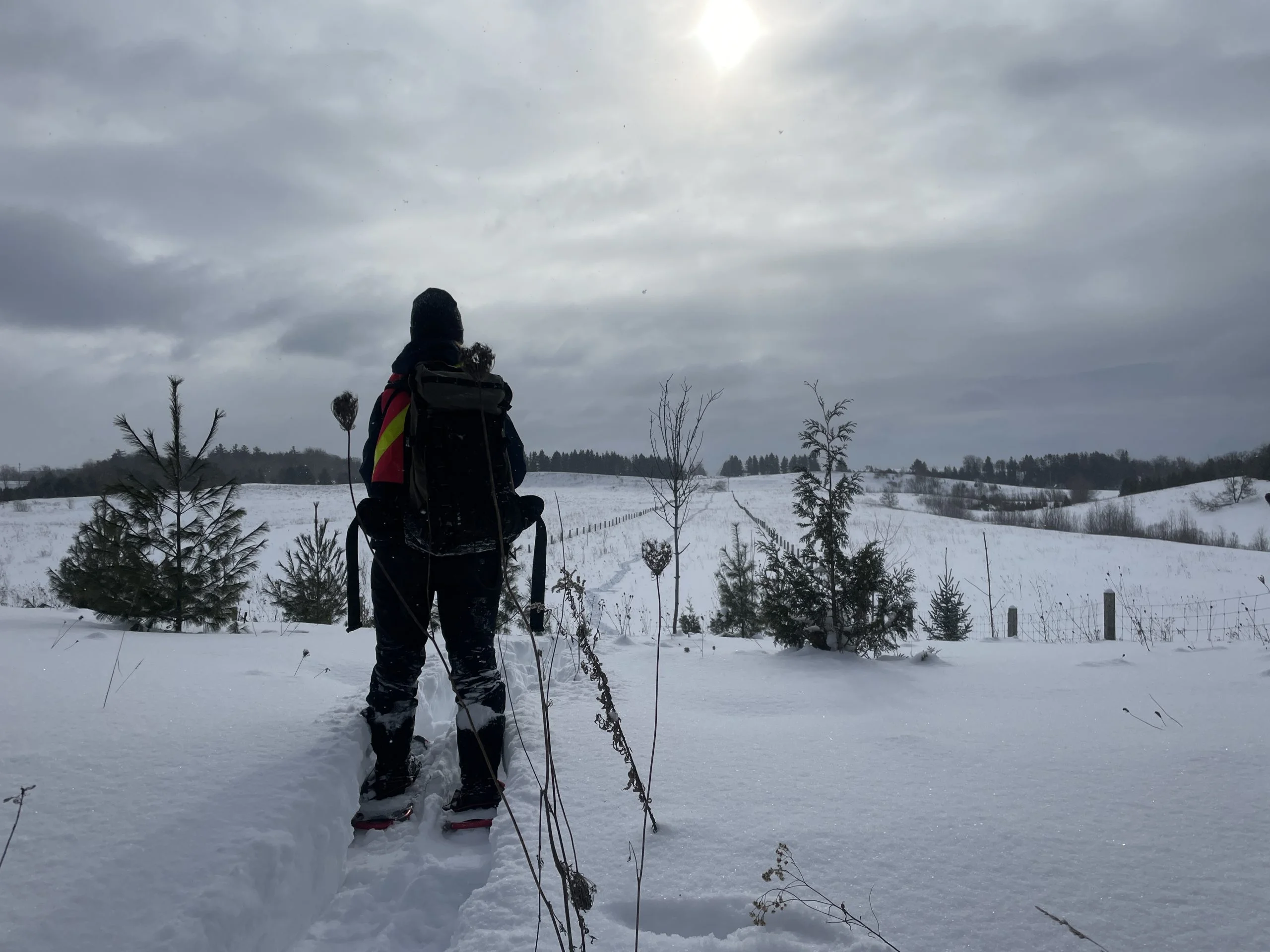
Every month, CVC staff collect water samples at 32 stream stations across the watershed, even in freezing weather. Many of the stations belong to the Provincial Water Quality Monitoring Network, and some have more than 60 years of records.
Winter is a critical season for tracking chloride levels, which often rise sharply due to road salt used for snow and ice control.
— Adrienne Ockenden, watershed monitoring specialist, Credit Valley Conservation
High chloride levels can harm aquatic species and disrupt stream health, the authority said. Sampling in winter shows how much salt is reaching waterways, how long it lingers and how conditions compare with the rest of the year.
Groundwater, snow and ice
Groundwater checks also carry on through the cold months. Most of CVC's monitoring wells are part of the Provincial Groundwater Monitoring Network and use automated loggers that record water levels around the clock. Staff visit the wells to download the data and take manual readings to confirm it.
Twice a month, crews also measure snow depth and how much water the snowpack holds, and watch river ice for possible jams. CVC said the province-wide work helps Ontario assess flood risk. The authority also runs a real-time network tracking streamflow, water quality and climate, which it uses to warn of flooding, threats to water quality and low water levels. Ahead of this week's storm, the city noted that CVC had issued a yellow flood outlook for the watershed.
Listening for spring
In late February, staff install acoustic recorders at wetland sites to capture frog calls from March to July. The earliest callers are usually wood frogs and, now and then, western chorus frogs, which CVC describes as rare in the watershed.
Calling usually begins in late March, but warm spells can set it off sooner. CVC said climate change may push the first calls earlier in the years ahead, which is why the recorders go in before the season starts.
The work is part of CVC's Integrated Watershed Monitoring Program, a long-term effort to track ecosystem health that the authority says guides its conservation and restoration decisions.