Ontario's 2026 budget deficit has reached $13.8 billion — nearly double what was projected in 2025 — according to the Wikipedia article on the premiership of Doug Ford.
The 2025 budget had reported a $14.6-billion deficit. The province's financial picture has deteriorated steadily under Ford, who became Ontario's 26th premier on June 29, 2018, after the Progressive Conservatives won 76 of 124 seats. He led the party to renewed majorities in 2022 and again in a snap election on Feb. 27, 2025.
Freedom-of-information changes draw backlash
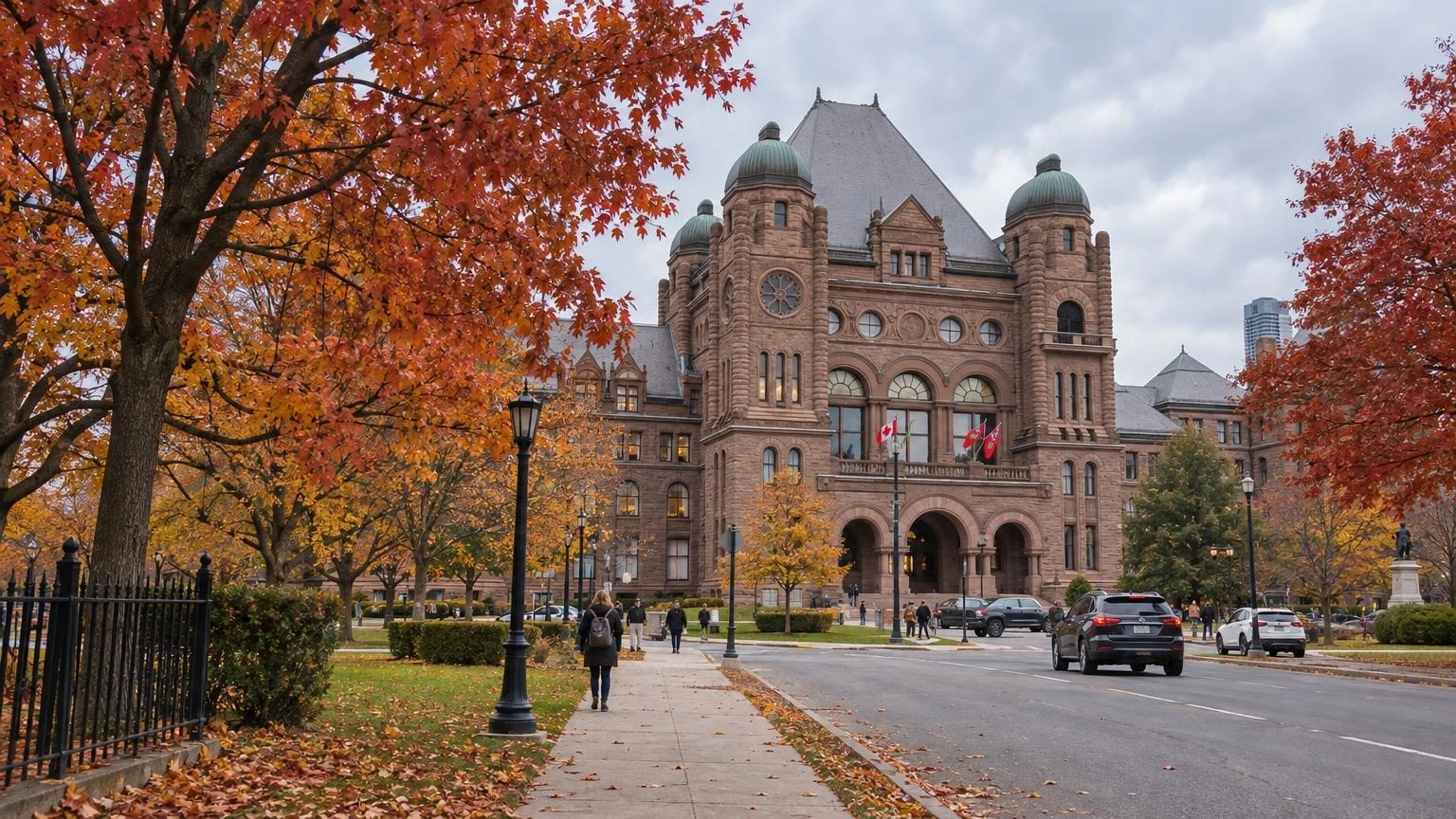
In 2026, the government announced changes to Ontario's freedom-of-information laws that restrict access to government records from the premier's office, cabinet ministers and parliamentary assistants. The legislation has faced backlash from opposition parties and Ontario's privacy commissioner.
The move followed a years-long dispute over cabinet mandate letters. The CBC requested the letters through a freedom-of-information request, but they were not released despite a 2019 order from Ontario's information and privacy commissioner to do so. The Supreme Court of Canada later ruled the letters were protected under the principle of cabinet confidentiality.
A decade of red ink
Ontario has reported a deficit almost every year since about 1989. By October 2018, net debt had climbed to roughly $311.6 billion, and the net debt-to-GDP ratio had grown to about 40.5 per cent.
In October 2019, the Financial Accountability Office said the deficit had increased from $3.7 billion in 2017 — the end of the Liberal administration — to $7.4 billion in 2018, partly because of cancelled climate-change initiatives and subsidized hydro bills, according to the Hamilton Spectator.
The Ontario Chamber of Commerce reported in 2019 that the province's debt had topped $348 billion, about 41 per cent of a provincial GDP of almost $850 billion.
Pay raises and election law changes
In 2025, the legislature passed the MPP Pension and Compensation Act with support from all parties, granting MPPs a 35 per cent pay raise. Base MPP pay rose from $116,550 to $157,350, ministers from $165,851 to $223,909, and the premier from $208,974 to $282,129. The change also re-introduced pensions for MPPs.
The government also moved to eliminate fixed election dates, proposing changes on Oct. 27, 2025 to, in its words, "return Ontario to an electoral process that served our province well... prior to the imposition of American-style fixed election dates." The bill received royal assent and took effect on Nov. 27.
Trade war and tariff response
Ford called the 2025 snap election after saying he needed a "clear mandate" to respond to tariffs on Canadian imports threatened by U.S. President Donald Trump. During the campaign, his party promised $10 billion in cash-flow support for employers, $3 billion in payroll tax and premium relief, $120 million for roughly 18,000 bars and restaurants, $40 million for a new Trade-Impacted Communities Program, $300 million to expand a manufacturing investment tax credit and $600 million for the Invest Ontario Fund.
After winning a third term, the government passed the Protect Ontario Through Free Trade Within Canada Act, 2025, which removed internal barriers to trade in goods. In October 2025, Ford launched an advertising campaign in the United States criticizing the tariffs, featuring a 1987 clip of Ronald Reagan warning against the economic impact of trade wars.