Mississauga council on Wednesday approved a new economic development strategy, Path to Prosperity 2030, which sets out how the city plans to attract business investment and jobs over the next five years. The city also released a separate retail strategy aimed at keeping shops and services in neighbourhoods as the population grows.
Five pillars, 51 actions
The economic strategy has five pillars backed by 15 objectives and 51 actions:
Build a competitive and business-friendly environment
Strengthen economic diversification and agility
Accelerate innovation and sector-led growth
Invest in future-ready talent
Foster and promote vibrant communities
The city says more than 200 businesses, entrepreneurs, schools and community groups were consulted. It points to pressures including geopolitical instability, shifting trade patterns, artificial intelligence and climate change.
The plan builds on earlier work, such as investment promotion in the United States, Europe and East Asia, the IDEA Square One small business space that opened in 2023, the Invest Mississauga brand launched in 2024, and the Partners in Trade plan to help local firms deal with U.S. tariffs. Invest Mississauga, the city's economic development division, will lead the work with partners.
By building a competitive business environment, investing in skills and capabilities, and creating vibrant communities we are shaping the conditions for talent, entrepreneurs, and businesses to succeed.
— Christina Kakaflikas, director of economic development, City of Mississauga
Keeping stores close to home
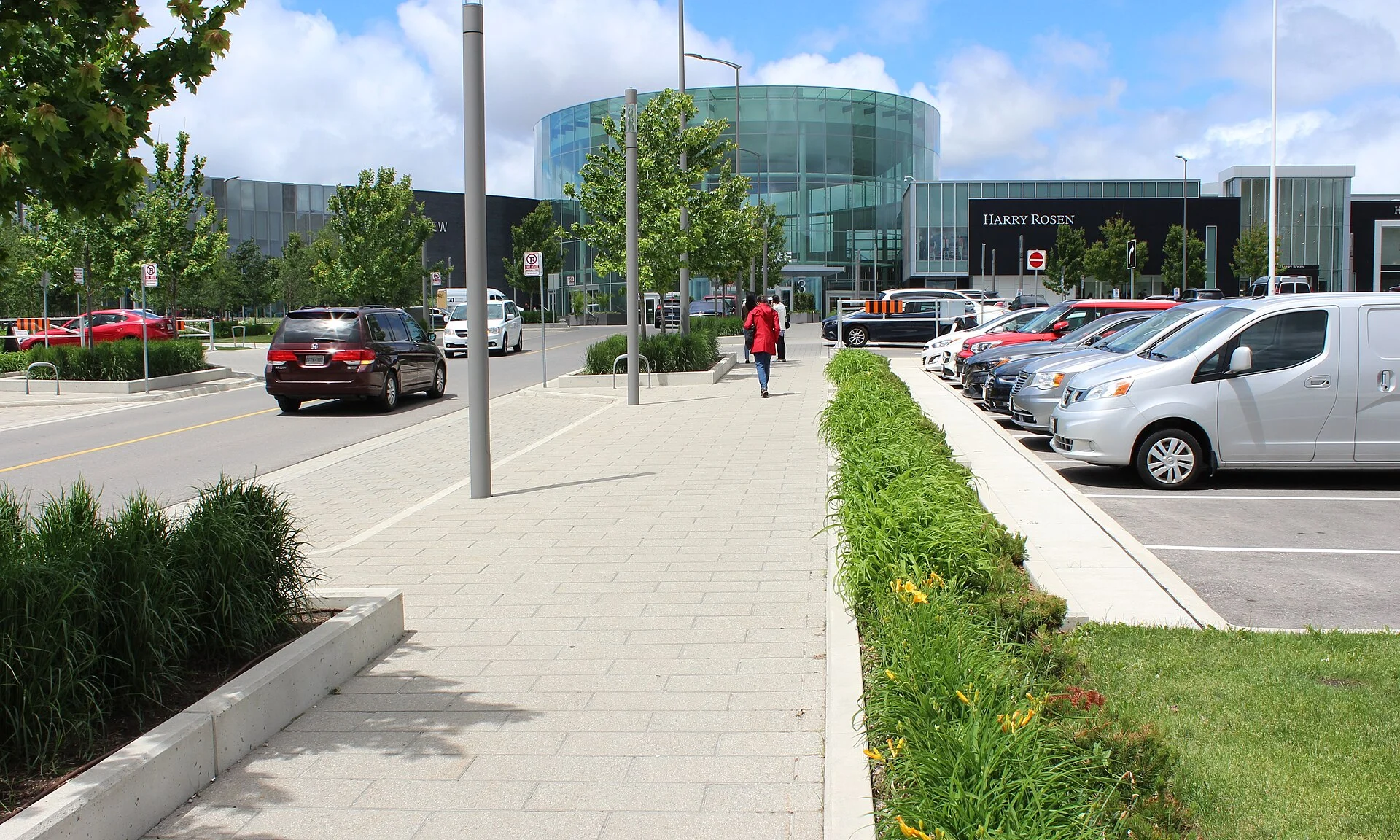
The retail strategy responds to changes such as online shopping, smaller store formats and rising development costs. The city estimates Mississauga will need about 5.4 million square feet of additional retail and service space by 2051, mostly downtown and in other growth areas, as the population moves toward one million. If current development trends continue, it warns, some areas could lose their retail altogether.
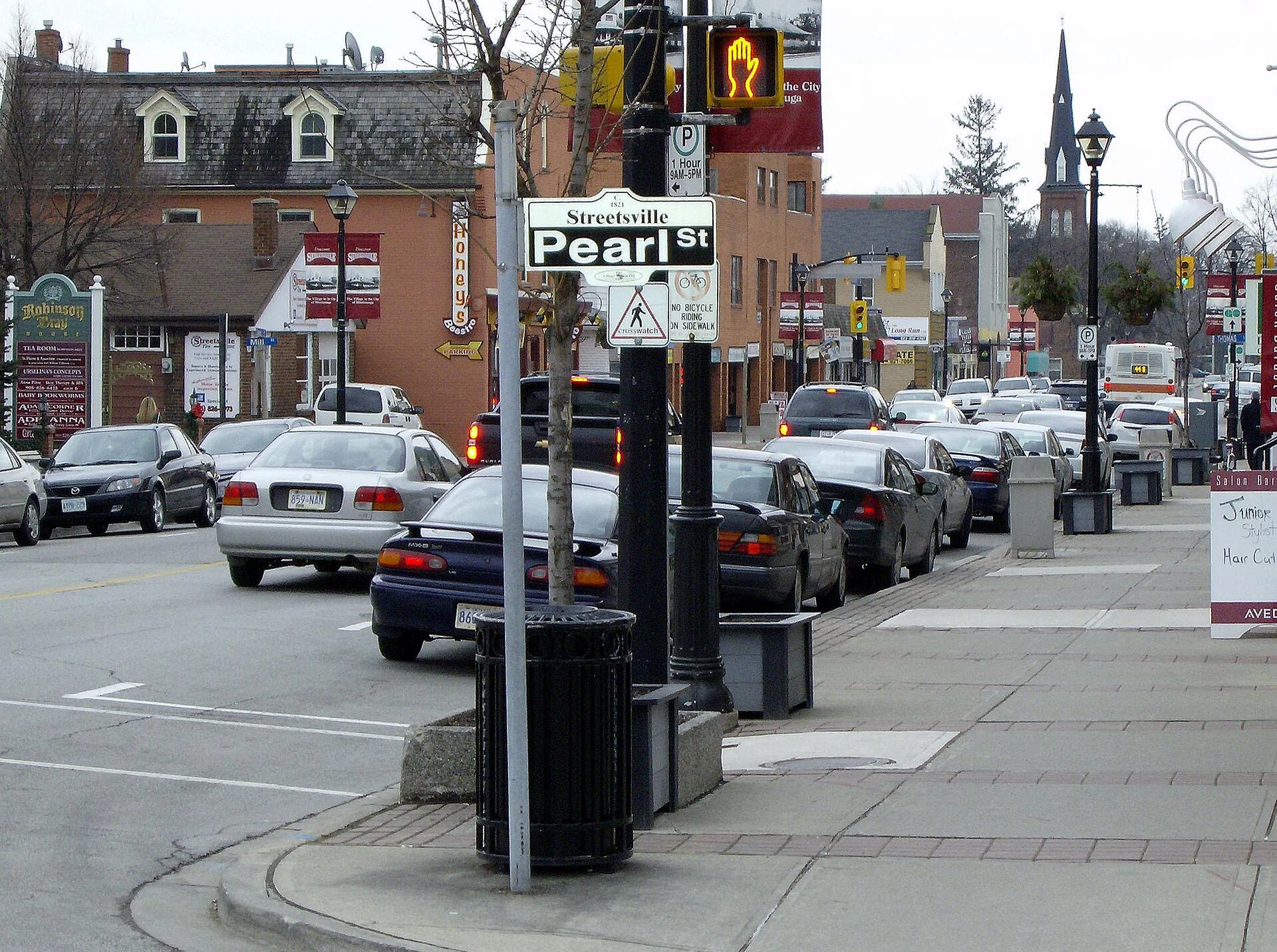
The strategy aims to help existing stores become more resilient, bring new retail into growing neighbourhoods, lower barriers for small and independent businesses and support walkable main streets. The city says it was developed with local businesses, business improvement areas, residents and the development industry.
Mayor Carolyn Parrish said the economic plan is about investing in businesses, entrepreneurs, young people and workers so that Mississauga remains a business-friendly city.